Since 1982 · Pressure piping components manufacturerReply in 4 h+86 132 9342 5333haihaojituan@163.com
Hebei Haihao Group Huadian High Pressure Pipe Fittings Co., Ltd.
HomeProductsStandardsApplication ScenariosInsightsCertificatesAboutContact
Get a quote
Hebei Haihao Group Huadian High Pressure Pipe Fittings Co., Ltd.Hebei Haihao Group Huadian High Pressure Pipe Fittings Co., Ltd.Pressure Pipe Fittings · Flanges · Factory Direct

Since 1982. Pressure piping component manufacturer covering elbows, flanges, tees, reducers and project supply.

ISO 9001 quality system · ABS Type Approval · safety-registered manufacturer

Products

  • Elbow
  • Tee
  • Reducer
  • Flange
  • Pipe Bend

Company

  • About
  • Application Scenarios
  • Certificates
  • Contact

Services

  • Send inquiry
  • Material reference
  • Insights
  • Feedback

Contact

  • Donglin, Mengcun County, Cangzhou City, Hebei Province, China
  • +86 132 9342 5333
  • haihaojituan@163.com
  • www.haihaohuadian.com

Global delivery

· Shipping to projects in

Middle East

🇸🇦SAU🇦🇪ARE🇶🇦QAT🇰🇼KWT🇴🇲OMN🇮🇶IRQ🇹🇷TUR

CIS

🇷🇺RUS🇰🇿KAZ

Europe

🇩🇪DEU🇫🇷FRA🇮🇹ITA🇪🇸ESP🇬🇧GBR🇳🇱NLD

SE Asia

🇮🇩IDN🇲🇾MYS🇸🇬SGP🇻🇳VNM

East Asia

🇰🇷KOR🇯🇵JPN

South Asia

🇮🇳IND🇵🇰PAK

Americas

🇺🇸USA🇨🇦CAN🇲🇽MEX🇧🇷BRA🇨🇱CHL🇦🇷ARG

Africa

🇪🇬EGY🇿🇦ZAF

Oceania

🇦🇺AUS🇳🇿NZL

© 2026 Hebei Haihao Group Huadian High Pressure Pipe Fittings Co., Ltd. · All rights reserved.

PrivacyTermsEstablished 1982 · Mengcun, Hebei, China

  1. Home
  2. /
  3. Insights
  4. /
  5. ASME B16.10 Valve Face-to-Face Dimensions: An RFQ Checklist

Buyer guide

ASME B16.10 Valve Face-to-Face Dimensions: An RFQ Checklist

Use this RFQ checklist to specify ASME B16.10 valve face-to-face dimensions correctly and avoid installation mismatches in your piping system.

August 15, 2026·7 min read·Hebei Haihao Group
p01_010_343936e3e2eaef1d3c6a0d2cf0887ddb.jpg

On this page

  • What ASME B16.10 Covers
  • How B16.34 Complements B16.10
  • What to Put in Your RFQ
  • Procurement Checks
  • Inspection and Documentation
  • Common Risks
  • Sources

When you are sourcing valves for an EPC project, the face-to-face dimension is one of the first items that must be fixed. If it is wrong, the valve will not fit between flanges, and you will face schedule delays and rework. ASME B16.10 is the standard that defines these dimensions, but using it correctly requires more than pulling one number from a table. This guide explains what B16.10 and B16.34 cover, what you must put in your RFQ, and how to inspect what your supplier delivers.

What ASME B16.10 Covers

ASME B16.10, "Face-to-Face and End-to-End Dimensions of Valves," covers face-to-face and end-to-end dimensions of straightway valves, and center-to-face and center-to-end dimensions of angle valves. Its stated purpose is to assure installation interchangeability for valves of a given material, type, size, rating class, and end connection.

That means the standard does not give you one universal dimension. It gives you a table that applies only when you provide all of the following parameters: material, valve type, size, rating class, and end connection. Change any one of those, and the face-to-face dimension may no longer be valid. The standard is also edition-sensitive. A dimension that was correct in an older edition may differ in the latest edition. Your project specification should state which edition of B16.10 applies.

How B16.34 Complements B16.10

ASME B16.34, "Valves—Flanged, Threaded, and Welding End," applies to new construction and covers pressure-temperature ratings, dimensions, tolerances, materials, nondestructive examination requirements, testing, and marking for cast, forged, and fabricated flanged, threaded, and welding end and wafer or flangeless valves of steel, nickel-base alloys, and other alloys. It treats wafer or flangeless valves that are installed between flanges as flanged-end valves.
Get a quote

B16.10 and B16.34 work together. B16.10 gives you the face-to-face dimension for installation interchangeability. B16.34 tells you whether the valve materials and pressure-temperature rating are suitable for your service conditions. Dimensional interchangeability under B16.10 does not by itself prove pressure-rating, material, or end-connection compatibility under B16.34. You must verify both standards when you qualify a supplier.

What to Put in Your RFQ

An RFQ that only says "valve per ASME B16.10" is incomplete. Because B16.10 dimensions depend on material, type, size, rating class, and end connection, your RFQ must state each of these explicitly.

Use this checklist when writing your valve RFQ:

  • Valve type: gate, globe, check, ball, butterfly, plug, or other. B16.10 has separate tables for different valve types.
  • Size: nominal pipe size (NPS) or DN, and if applicable, the specific size designation used in the B16.10 tables.
  • Pressure class: class 150, 300, 600, 900, 1500, 2500, or other rating class referenced in the project code.
  • End connections: flanged, threaded, welding end, or wafer/flangeless. The face-to-face dimension is defined differently for each.
  • Material specification: ASTM or ASME material specification, such as A216 WCB, A351 CF8M, or A995. Material affects the applicable B16.10 table and also feeds into B16.34 pressure-temperature ratings.
  • Standard edition: the exact edition of B16.10 your project requires, for example B16.10-2022.
  • Supplementary requirements: any project-specific gasket, bolting, or leak-test requirements that may affect the valve face-to-face dimension or end connection.

Also ask the supplier to provide a dimensional drawing or datasheet showing the face-to-face (FTF), end-to-end (ETE), or center-to-face (CTF) dimension in millimeters and inches, and the applicable B16.10 table and edition.

Procurement Checks

When you receive quotations, do not accept a single line item that says "B16.10" without a dimension. Ask the supplier to confirm the exact face-to-face value that applies to your size and class, and the edition they used. Compare that value to the table in your project's specified edition.

For angle valves, verify the center-to-face and center-to-end dimensions. For straightway valves, verify the face-to-face and end-to-end dimensions.

Check that the end connection type matches what your piping system requires. A flanged valve has a different face-to-face dimension than a wafer valve of the same size and class. A welding-end valve may have an end-to-end dimension that assumes a certain bevel preparation.

If you are buying valves from a stockist or a manufacturer that also supplies pipe fittings, confirm that the valve dimensions are compatible with the mating flanges and the pipe components you already ordered. For the flange side, review the relevant flange standard and check the face-to-face distance against the flange faces. For pipe accessories, you can review the product options at pipe accessories and forged flanges and nonstandard forgings to understand the range of components your supplier can provide.

Inspection and Documentation

At the receiving inspection stage, measure the valve face-to-face dimension with a tape or caliper and compare it to the B16.10 table for the specified edition. Record the measured value in your inspection report.

Check the valve marking. B16.34 requires specific markings that include the manufacturer's name, valve type, size, class, material, and pressure-temperature rating. The marking must be legible and placed in a location that does not affect the pressure-containing envelope.

Request the following documents from the supplier:

  • Material test certificates for pressure-retaining parts, referencing the ASTM/ASME material specification.
  • Certificate of conformance to B16.10 and B16.34, stating the edition and any applicable supplements.
  • Pressure test reports, including hydrostatic and shell test results, as required by B16.34.
  • Nondestructive examination reports if required by the material spec or project specification.

Review these documents against your RFQ. If the supplier cannot provide the test reports or the dimensional report, treat the shipment as non-conforming until the documents are received.

Common Risks

Three risks are common when buying valves to B16.10.

Risk 1: Using the wrong edition. Face-to-face dimensions can change when ASME revises B16.10. If your project specifies one edition and the supplier uses another, the valve may not fit. Always state the edition in your RFQ and on the purchase order.

Risk 2: Mixing valve types and end connections. A gate valve and a globe valve of the same size and class do not necessarily share the same face-to-face dimension. Similarly, a flanged valve and a wafer valve are not dimensionally interchangeable just because they share the same pressure class. Confirm the exact type and end connection with the supplier.

Risk 3: Assuming B16.10 covers everything. B16.10 only defines dimensions for installation interchangeability. It does not provide pressure-temperature ratings, materials, or testing requirements. Those are covered by B16.34 and by the applicable piping code. A valve that is dimensionally correct may still be unsuitable for your service. Verify material, pressure-temperature rating, and end connections against B16.34 and your project's design conditions.

Sources

  • B16.10 - Face-to-Face and End-to-End Dimensions of Valves
  • B16.34 - Valves—Flanged, Threaded, and Welding End

Need a quote for the products mentioned in this article?

Submit your specs and our pressure piping team will respond within one business day.

Send RFQ

Share

LinkedInWhatsAppEmail

About the publisher

Hebei Haihao Group Huadian High Pressure Pipe Fittings Co., Ltd.

Since 1982

Established in 1982, Hebei Haihao Group Huadian High Pressure Pipe Fittings Co., Ltd. manufactures flanges and pipe fittings in Mengcun County, Cangzhou City, Hebei Province.

40+ years in pressure piping · ~10,000 t / year output · ISO 9001 · ABS Type Approval

Edited by the Hebei Haihao engineering desk

www.haihaohuadian.com

Related reading

8字盲板 (2).jpgBuyer guide
Buyer guide

Metallic vs Nonmetallic Flange Gaskets: ASME RFQ Guide

Compare ASME B16.20 metallic and B16.21 nonmetallic flat gaskets, and clarify what each standard actually covers before you issue an RFQ.

Aug 20, 20266 min readHebei Haihao Group
中低压管件法兰 vs. 对焊管件法兰:如何选择?Buyer guide
Buyer guide

Low/Medium Pressure Flanges vs. Weld Neck Flanges: A Procurement Guide for EPC Buyers

Choosing between low/medium pressure flanges and weld neck flanges depends on system pressure, temperature, and application. This guide covers key differences, standards, inspection requirements, and RFQ best practices for global procurement professionals.

Jul 24, 20265 min readHebei Haihao Group
了解不锈钢法兰的特点和应用Buyer guide
Buyer guide

Procurement Guide for Stainless Steel Flanges: Key Features, Applications, and Selection Tips

Stainless steel flanges are critical for piping systems in demanding industries. This guide covers standards, inspection documents, RFQ essentials, and quality risks to help procurement engineers make informed decisions.

Jul 24, 20266 min readHebei Haihao Group

On this page

  • What ASME B16.10 Covers
  • How B16.34 Complements B16.10
  • What to Put in Your RFQ
  • Procurement Checks
  • Inspection and Documentation
  • Common Risks
  • Sources

Send RFQ

Get a fast quote tailored to your project specifications.

Send inquiry

Share

LinkedInWhatsAppEmail

Quick links

  • View products
  • Send inquiry

Quote in 4 hours

Products covered in this article

Sourcing any of these? Send the spec and our pressure-piping desk replies within 4 business hours.

锻制法兰产品图Flange
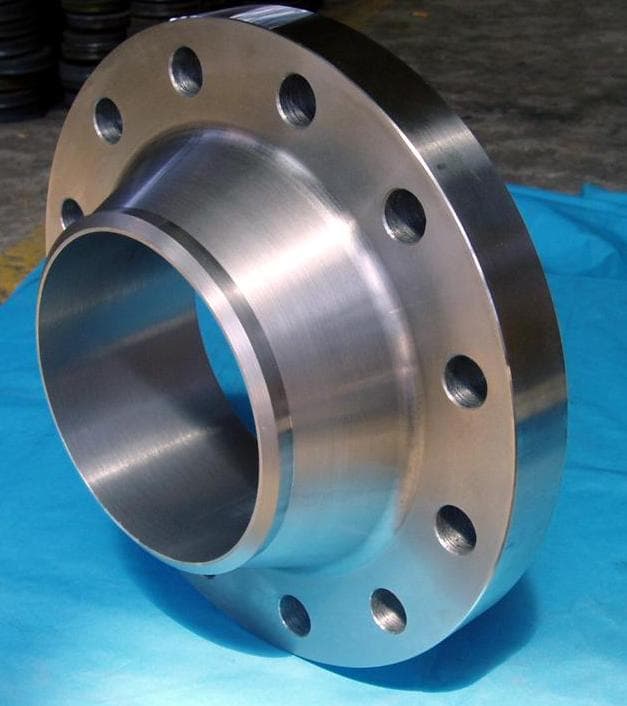
Forged Flanges and Nonstandard Forgings

Carbon Steel, Stainless Steel, Alloy Steel

Get quote
Forged Flange - 法兰 (1)Flange
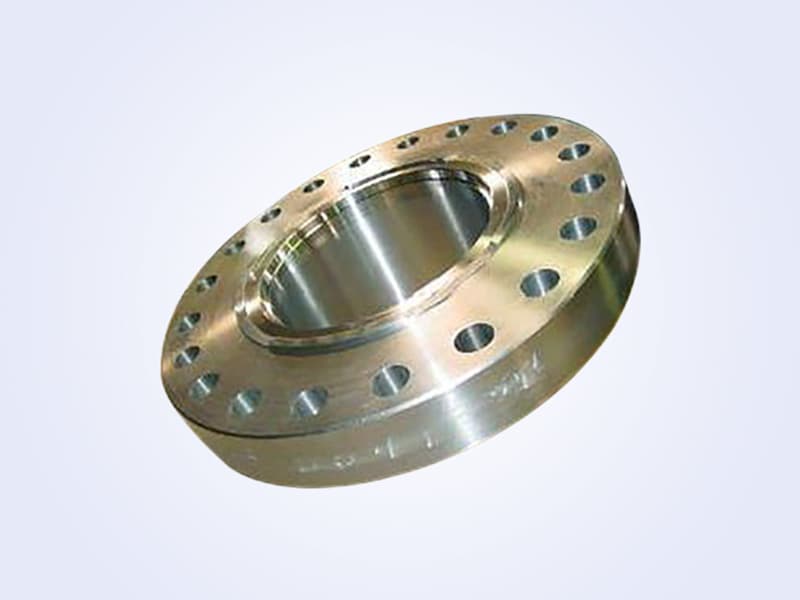
Forged Flange

ASTM A105 / A182 / A350; carbon, alloy and stainless steel

Get quote
Socket Weld Flange - 承插法兰 (1)Flange
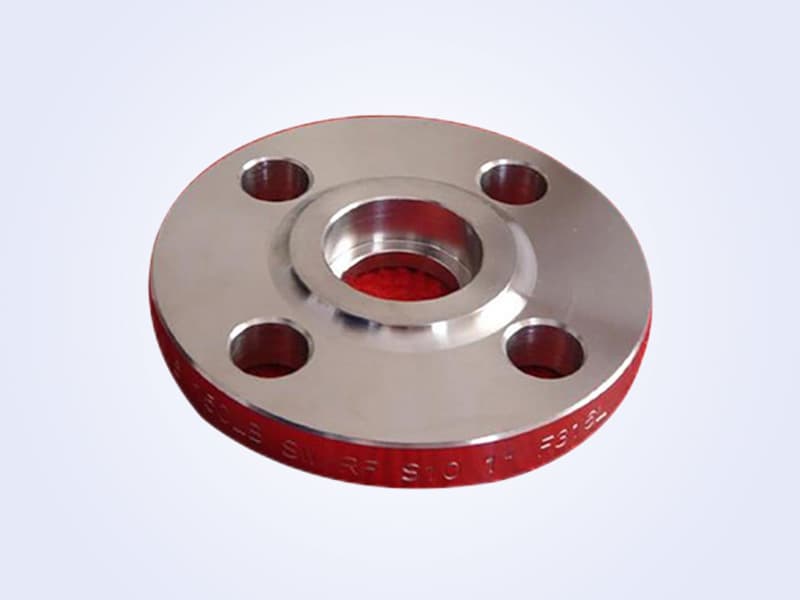
Socket Weld Flange

ASTM A105 / A182 F11/F22/F304/F316; GB/T carbon, alloy, stainless steel

Get quote