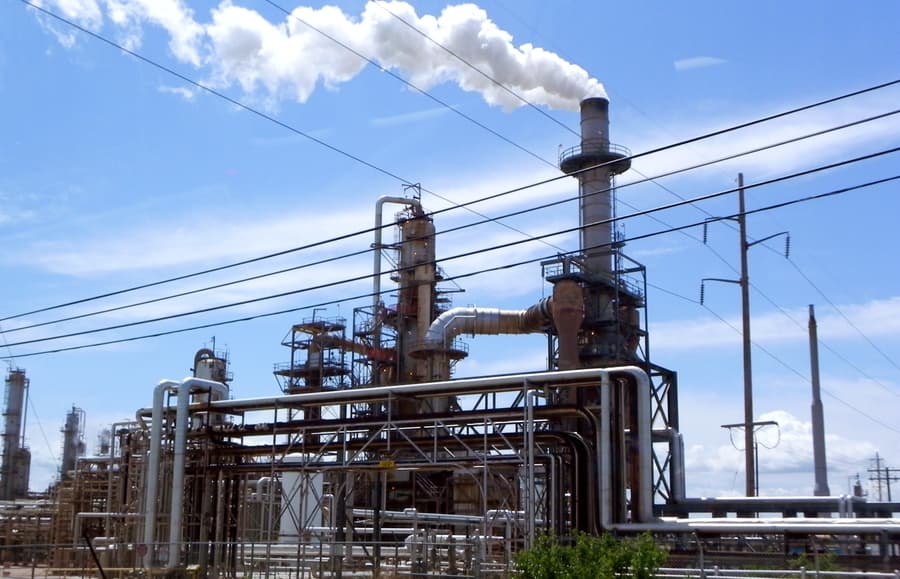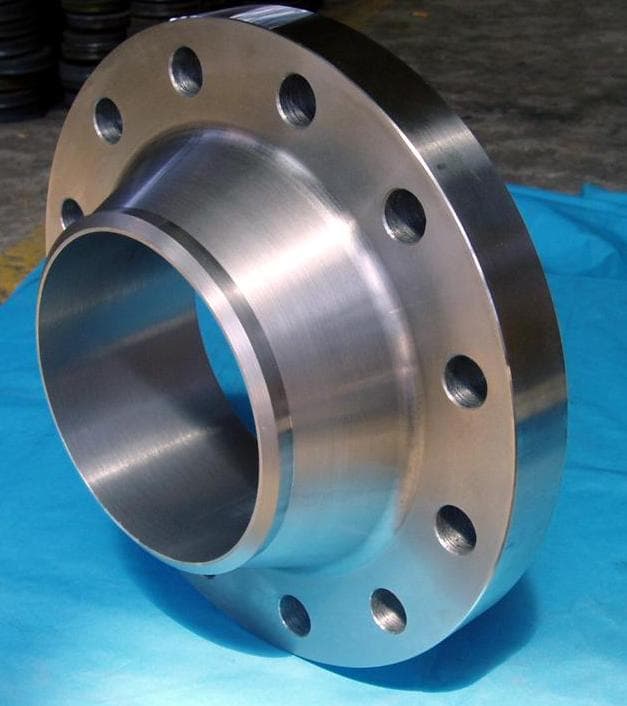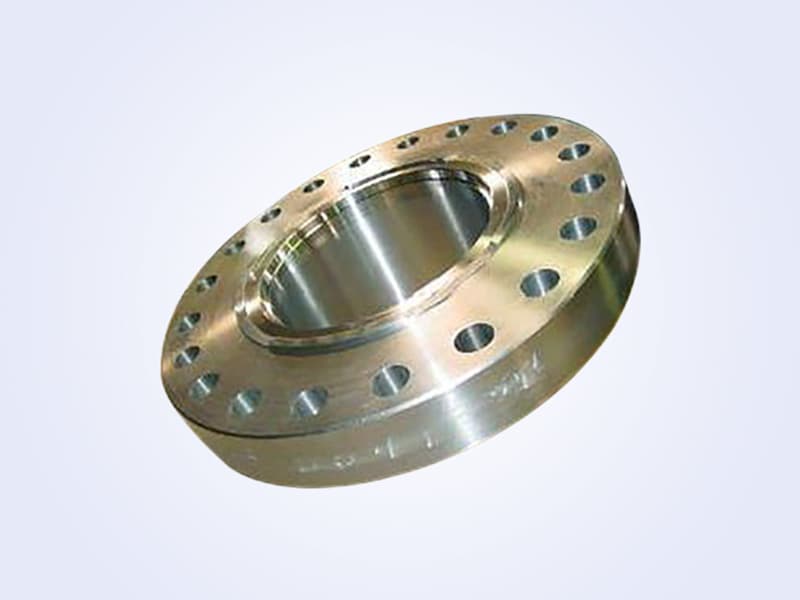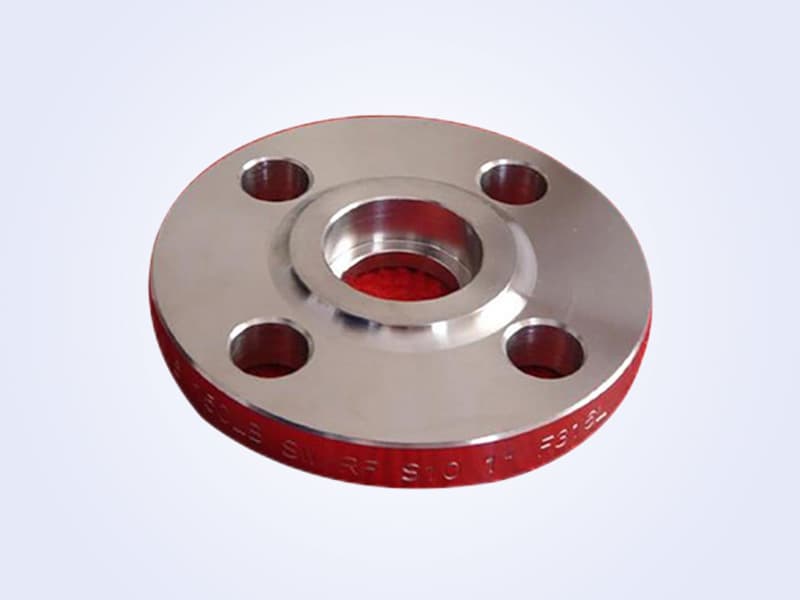
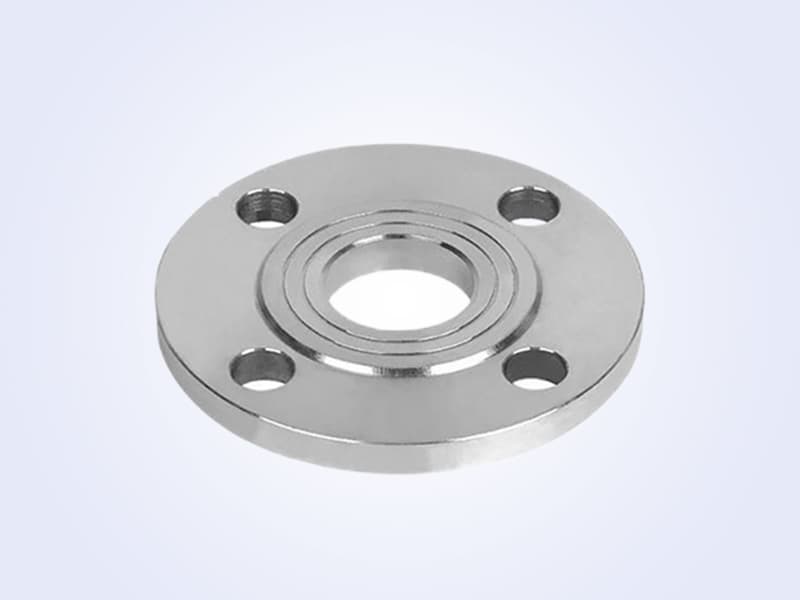
High pressure flanges are commonly used connection components in pipeline systems, widely applied in industries such as oil, natural gas, chemical, and power for pipeline connection and sealing. In these industries, pipelines often operate under high temperature and high pressure conditions, demanding high quality and performance from flanges. This article provides a detailed introduction to the definition, structure, applications, manufacturing processes, and selection considerations of high pressure flanges.
1. Definition and Function of High Pressure Flanges
High pressure flanges are mechanical connectors used to join pipelines, equipment, instruments, and other components. They are connected to other parts via bolts, and sealing is achieved through gaskets between the connecting surfaces. High pressure flanges can withstand significant pressure, making them suitable for pipeline systems handling high pressure media. They not only provide excellent sealing performance but also ensure stable operation of the pipeline under high pressure conditions.
2. Structure of High Pressure Flanges
The structure of high pressure flanges mainly consists of the flange plate, bolt holes, sealing surface, gasket, and bolts. Specifically:
- Flange plate: The main body, typically a disc shape with a certain thickness. It features bolt holes and a sealing surface. Bolt holes are used for bolting, while the sealing surface contacts the gasket to prevent media leakage.
- Sealing surface: The surface that contacts the gasket to provide sealing. Types include flat face, raised face, and concave face, chosen based on the working media and pressure requirements.
- Gasket: Placed between flange faces to seal and prevent leaks. Common materials are graphite, stainless steel, PTFE, etc., offering good pressure resistance and corrosion resistance.
- Bolts and nuts: Through tightening, they firmly connect the two pipeline ends, ensuring safety.
3. Application Fields of High Pressure Flanges
High pressure flanges have a wide range of applications, mainly in the following areas:
- Oil and Natural Gas Industry: In extraction, transportation, and processing, pipelines must withstand high pressures. High pressure flanges ensure sealing and safety.
- Chemical Industry: High temperature and high pressure systems in chemical plants, such as reactor and distillation column connections, use high pressure flanges for stability and to prevent hazardous leaks.
- Power Industry: Steam and cooling water pipes in power plants and nuclear plants rely on high pressure flanges for safe operation.
- Food and Beverage Industry: Used for high pressure piping, such as liquid food transport, ensuring hygiene and safety under high pressure.
4. Manufacturing Process of High Pressure Flanges
The manufacturing process is relatively complex, generally including:
- Material Selection: Typically carbon steel, stainless steel, alloy steel, etc., chosen based on working environment for pressure and corrosion resistance.
- Machining and Forming: Includes milling, turning, drilling, grinding, requiring high precision and surface finish. Special flanges may need heat treatment or cold treatment for strength and durability.
- Quality Inspection: After manufacturing, strict inspections including dimensional check, sealing performance test, and pressure test ensure the flange can withstand high pressure operation.
5. Considerations for Selecting High Pressure Flanges
Several factors must be considered to ensure reliable performance in actual use:
- Pressure Rating: A key factor. Choose appropriate rating such as PN10, PN16, PN25 based on actual pressure requirements.
- Material Selection: Different environments require different materials. For high temperature and high pressure, use heat-resistant alloy steel; for corrosive environments, use corrosion-resistant stainless steel or special materials.
- Sealing Type: Choose based on media characteristics. Flat face for low pressure and normal temperature; raised or concave face for high pressure and temperature.
- Connection Method: Besides bolting, special environments may require welding or threaded connections. Choose based on actual needs.
As important components in pipeline systems, high pressure flanges play a crucial role in connection and sealing. They are vital in oil, natural gas, and chemical industries. With technological advances and material science development, the design and manufacturing of high pressure flanges are moving towards higher performance and reliability. Proper selection, combined with precise manufacturing and strict quality inspection, ensures safe operation under high pressure.
Need a quote for the products mentioned in this article?
Submit your specs and our pressure piping team will respond within one business day.
Send RFQRelated reading
 Industry news
Manatee Gas FID in Trinidad and Tobago: A Source-Checked LNG Feedgas Update
Shell's July 2024 FID for the Manatee gas development in Trinidad and Tobago signals continued investment in LNG feedgas. This update outlines what is verified, what remains to be checked, and how EPC buyers can align procurement with evolving project timelines.
 Industry news