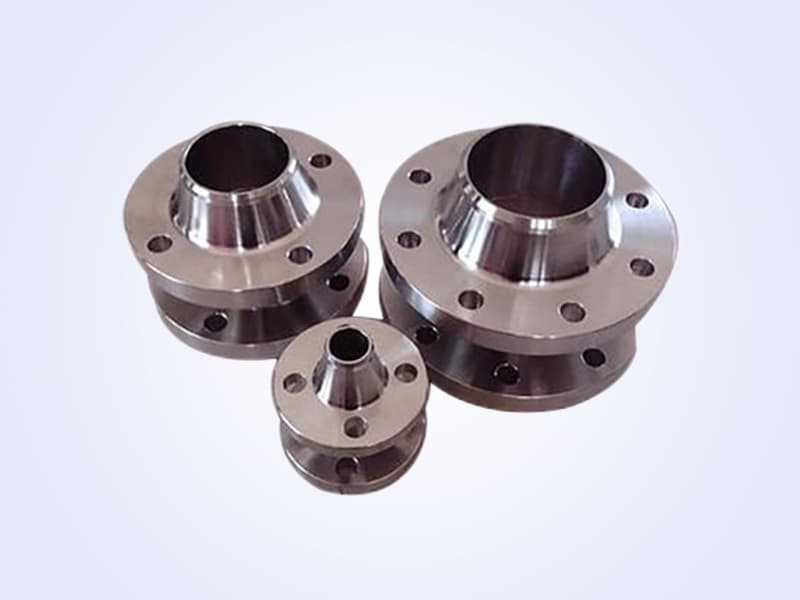
In the industrial sector, the stability and safety of piping systems are crucial. Butt-weld pipe fittings, as key components of pipe connections, cannot be overlooked. You may ask,
Why do we need to pay special attention to these fittings?
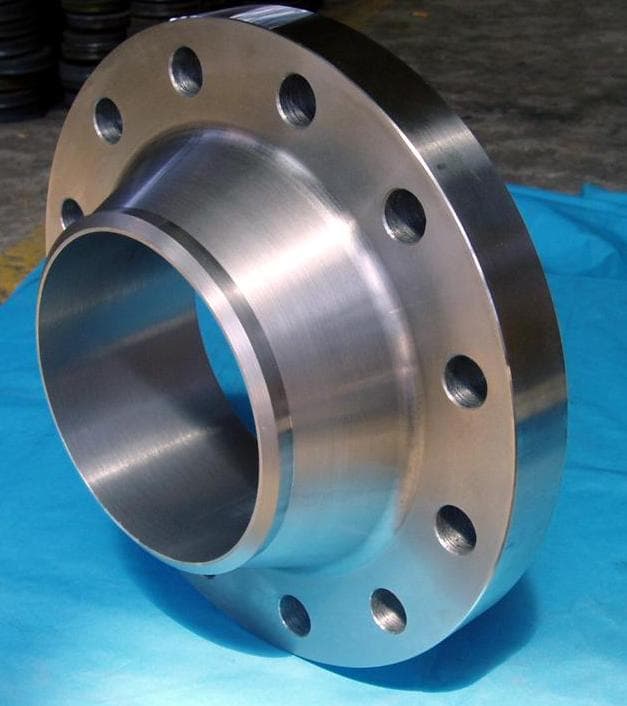
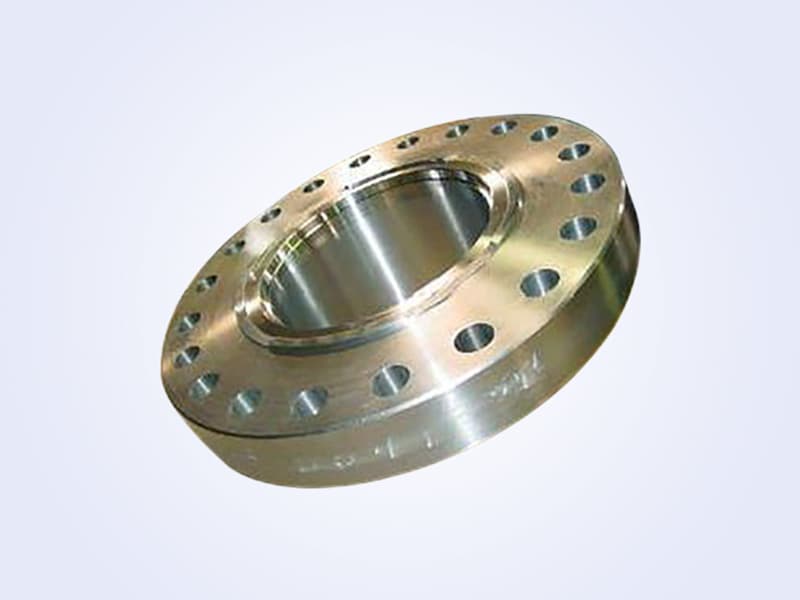
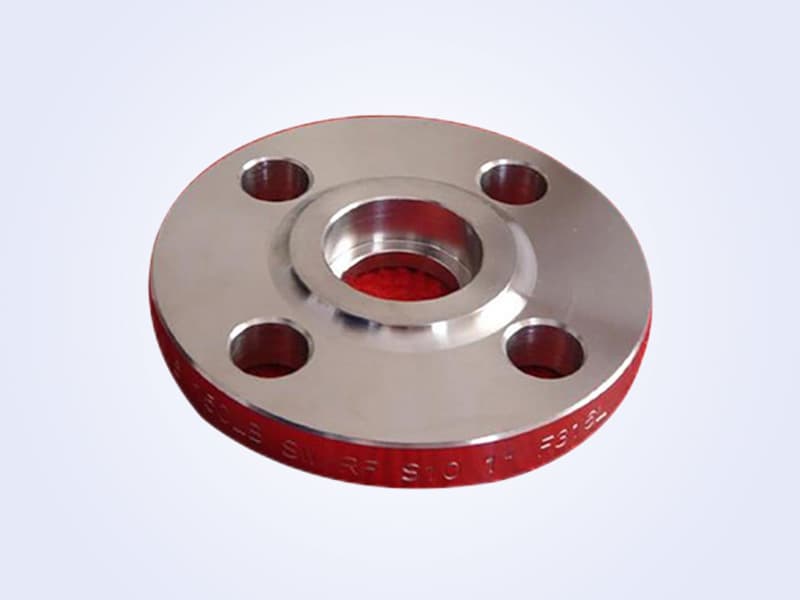
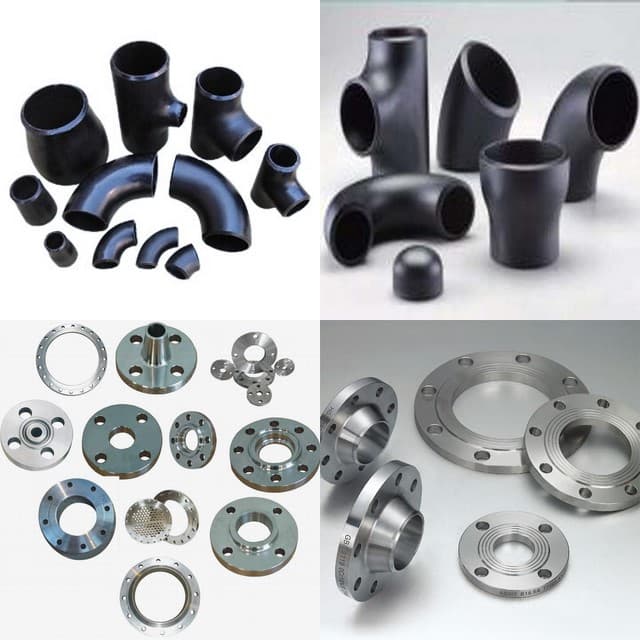
In fact, choosing the right butt-weld fittings not only affects system efficiency but also directly impacts safety and maintenance costs. Basic Concept of Butt-Weld Fittings First, let's clarify what butt-weld fittings are. Simply put, butt-weld fittings are components used to connect two pipes, achieving a secure connection through welding. Common butt-weld fittings include elbows, tees, flanges, etc., each with its specific purpose and characteristics. Don't these fittings seem unremarkable? But in reality, they play a key role in piping systems.
Importance of Choosing the Right Butt-Weld Fittings How important is it to choose the right butt-weld fittings? Let me explain with a simple analogy. Imagine you are repairing a water pipe at home. If you use an improper connector, the water flow may be obstructed, or even cause leakage. This is like choosing the wrong butt-weld fittings, which may eventually lead to system failure or even safety hazards.
- Ensure System Safety First, the right butt-weld fittings can ensure the safety of the entire piping system. Poor welding quality or improper material can cause the pipe to rupture under high pressure or high temperature. This not only causes property loss but also endangers personal safety. Therefore, choosing high-quality butt-weld fittings can effectively reduce these risks.
- Improve Work Efficiency Second, the right butt-weld fittings can improve work efficiency. When you use suitable fittings, the pipe has better fluidity, reduces resistance, and thus improves the overall system efficiency.
- Reduce Maintenance Costs Maintenance cost is also an important factor when choosing butt-weld fittings. If you choose low-quality fittings, frequent repairs or even replacements may be needed later, which not only wastes time but also incurs unnecessary costs. Therefore, investing some budget upfront to select the right butt-weld fittings can save expenses in the long run.
How to Choose the Right Butt-Weld Fittings? Choosing the right butt-weld fittings is not a simple task. Here are a few key factors to help you make a better decision.
- Material Selection First, material is a critical factor when choosing butt-weld fittings. Whether carbon steel, stainless steel, or other alloy materials, each has its specific application fields. For example, in the chemical industry, due to corrosive media, choosing stainless steel fittings is particularly important.
- Size and Specifications Second, size and specifications are also important factors determining whether butt-weld fittings can be successfully connected. The inner diameter, outer diameter, wall thickness, etc., must match the pipe dimensions. Imagine if you use the wrong size, the fitting and pipe cannot fit perfectly, the consequences are obvious.
- Certification and Standards Then, ensure that the butt-weld fittings you choose comply with relevant industry standards and certifications. This not only guarantees the quality of the fittings but also ensures safety during use. Just as you pay attention to safety certifications when buying a car, you should do the same when selecting fittings.
In summary, choosing the right butt-weld fittings has a significant impact on the safety, efficiency, and maintenance costs of piping systems. When making a choice, consider factors such as material, size, and standards to find the most suitable fittings and ensure your piping system operates safely and stably.
Need a quote for the products mentioned in this article?
Submit your specs and our pressure piping team will respond within one business day.
Send RFQRelated reading
 Industry news
Manatee Gas FID in Trinidad and Tobago: A Source-Checked LNG Feedgas Update
Shell's July 2024 FID for the Manatee gas development in Trinidad and Tobago signals continued investment in LNG feedgas. This update outlines what is verified, what remains to be checked, and how EPC buyers can align procurement with evolving project timelines.
 Industry news