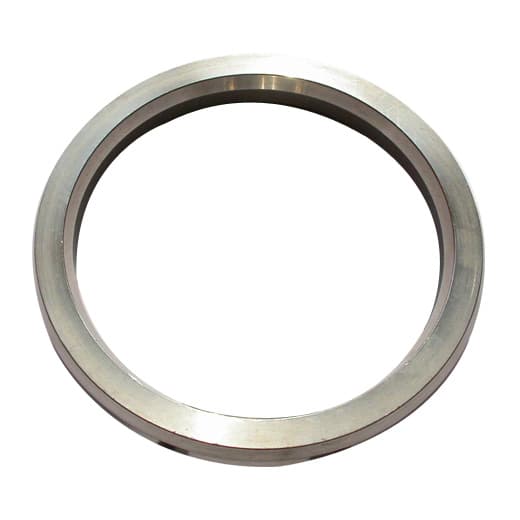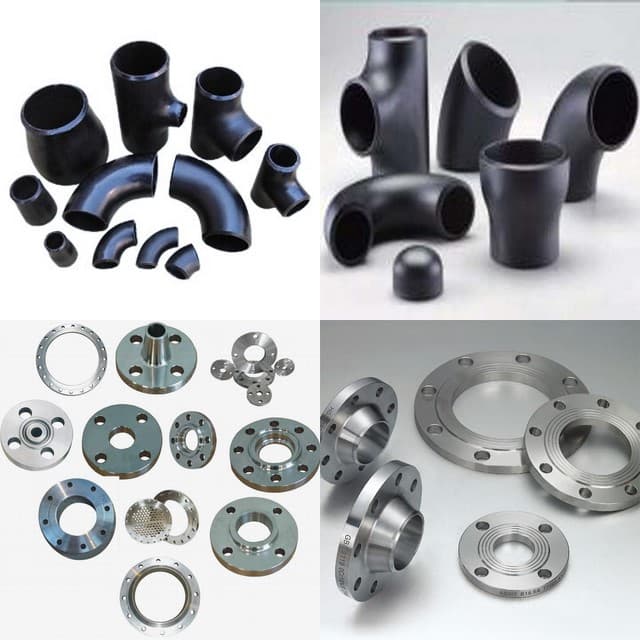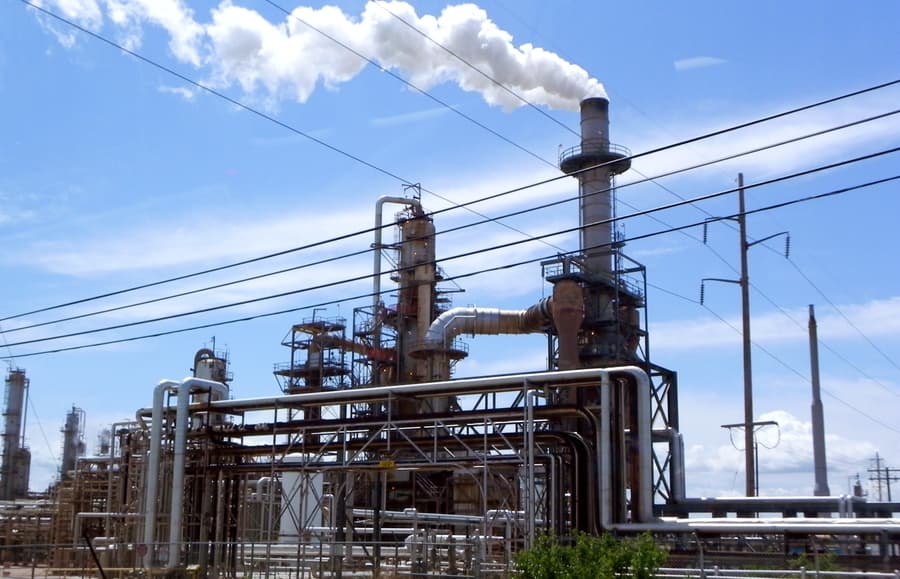
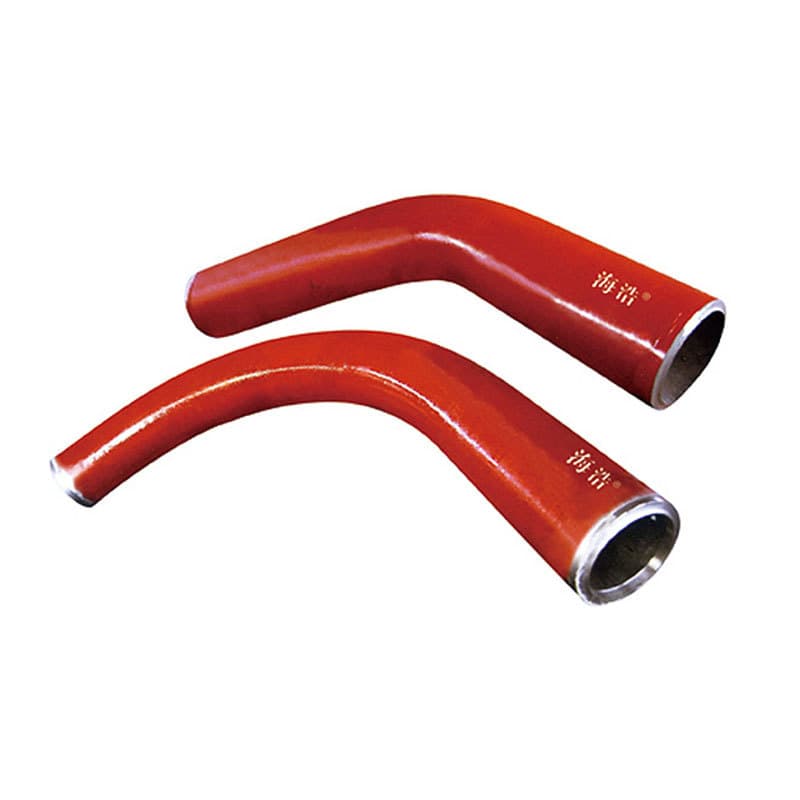
Forged pipe fittings, as an indispensable part of piping systems, are widely used in industries such as petroleum, natural gas, chemical, and power. Their main function is to connect pipes into a complete system, ensuring the safety, sealing, and durability of pipeline operation. Due to their excellent performance and adaptability, forged pipe fittings occupy an important position in modern industry. This article introduces the definition, characteristics, application fields, and market prospects of forged pipe fittings.
1. Definition of Forged Pipe Fittings
Forged pipe fittings are pipe accessories manufactured through forging processes, mainly used in piping systems for connection, turning, branching, regulation, and other functions. Forging is a processing method that uses mechanical force to cause plastic deformation of metal, significantly improving the mechanical properties of the metal. Compared with cast pipe fittings, forged pipe fittings have obvious advantages in mechanical properties, corrosion resistance, and reliability, making them suitable for high-pressure, high-temperature, and harsh working environments.
2. Characteristics of Forged Pipe Fittings
- High Strength
Forged pipe fittings undergo forging processes that make the internal grains of the metal more uniform, thereby significantly improving their tensile strength, compressive strength, and impact resistance. This makes forged pipe fittings perform very well in high-pressure and high-temperature environments.