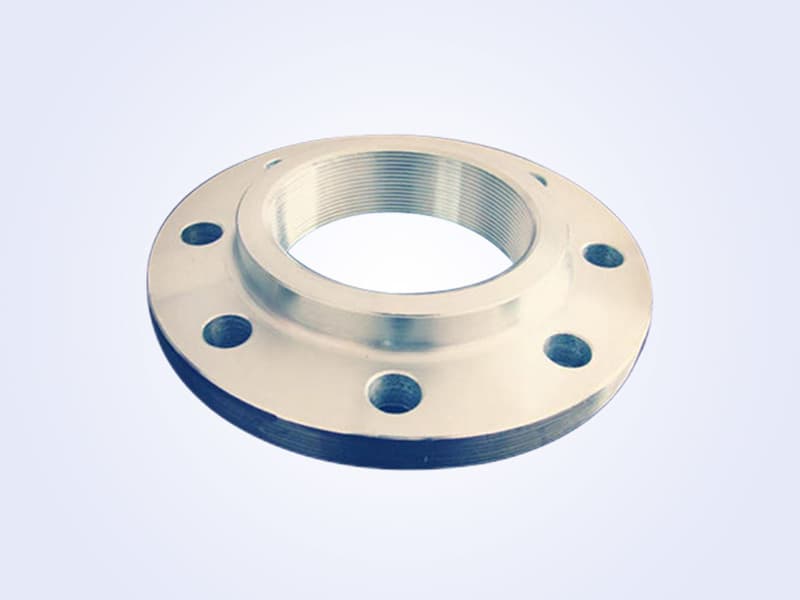
In modern industry, the safety and reliability of piping systems are crucial. Within this system, high-pressure flanges, as key components connecting different pipes, play an indispensable role. Have you ever wondered,
Why can high-pressure flanges remain stable under various extreme conditions?
Today, let's delve into the importance of high-pressure flanges and how to build a robust piping system using them.
What is a High-Pressure Flange?
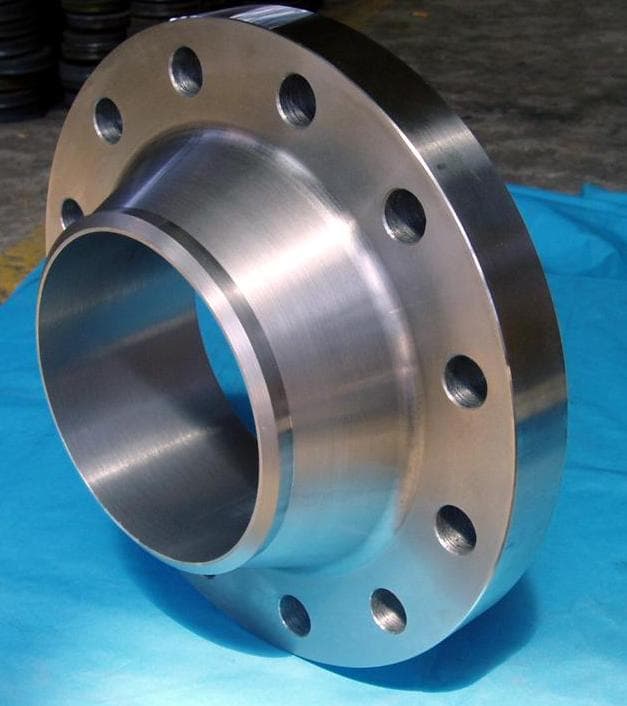
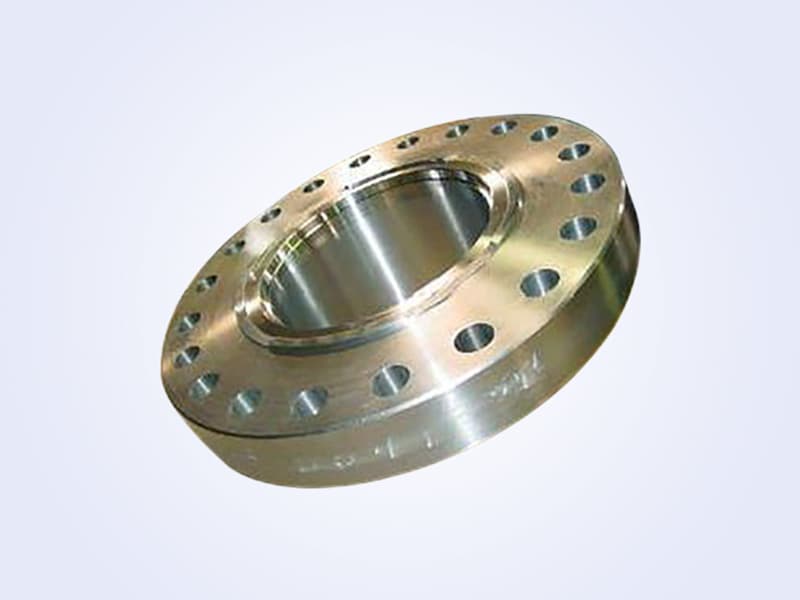
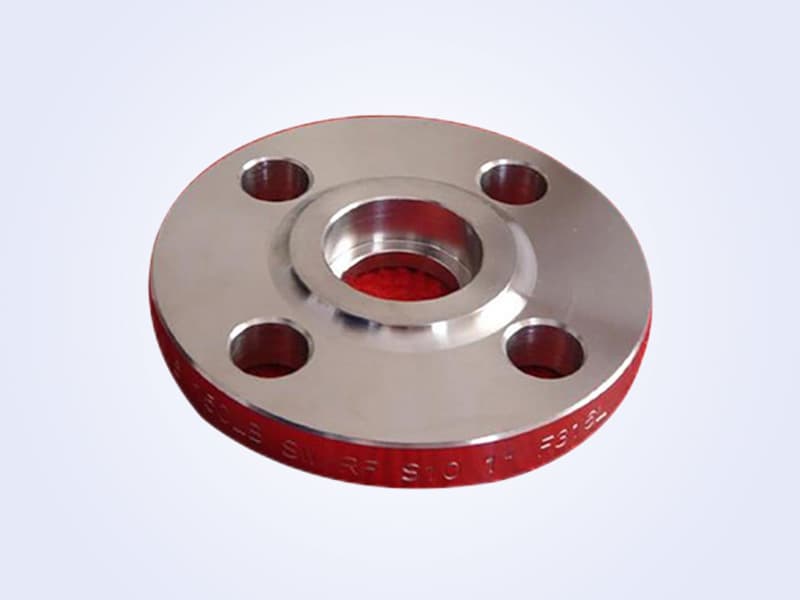
Before we start, let's understand what a high-pressure flange is. Simply put, a high-pressure flange is a mechanical component used to connect pipes, valves, and other equipment, capable of withstanding high-pressure environments. Its design and material selection directly affect the performance of the entire piping system.
Materials and Design of High-Pressure Flanges
The material of a high-pressure flange is one of the key factors determining its performance. Typically, carbon steel, stainless steel, or alloy materials are widely used. These materials must not only withstand the challenges of high-pressure environments but also have good corrosion resistance. Choosing high-quality materials is the foundation for ensuring the stable operation of high-pressure flanges.
Design is also important. The design of high-pressure flanges needs to consider pressure, temperature, and the characteristics of the medium. For example, in certain chemical media environments, the sealing design of the flange needs to be meticulous to prevent leakage.
Installation and Maintenance of High-Pressure Flanges
Once we have selected the appropriate high-pressure flanges, how do we ensure they operate stably? This requires attention to installation and maintenance. When installing high-pressure flanges, first ensure the contact surfaces are clean, just like refueling a high-performance machine—keeping it clean reduces friction and extends service life. Additionally, the torque during installation must strictly follow standards; too high or too low can affect the flange's sealing.
Maintaining high-pressure flanges is equally important. Regularly check the condition of the flanges and promptly replace aging or damaged parts, just as a doctor regularly checks a patient to ensure everything is normal. After all, any small problem, if not addressed in time, can lead to bigger troubles.
Applications of High-Pressure Flanges in Various Industries
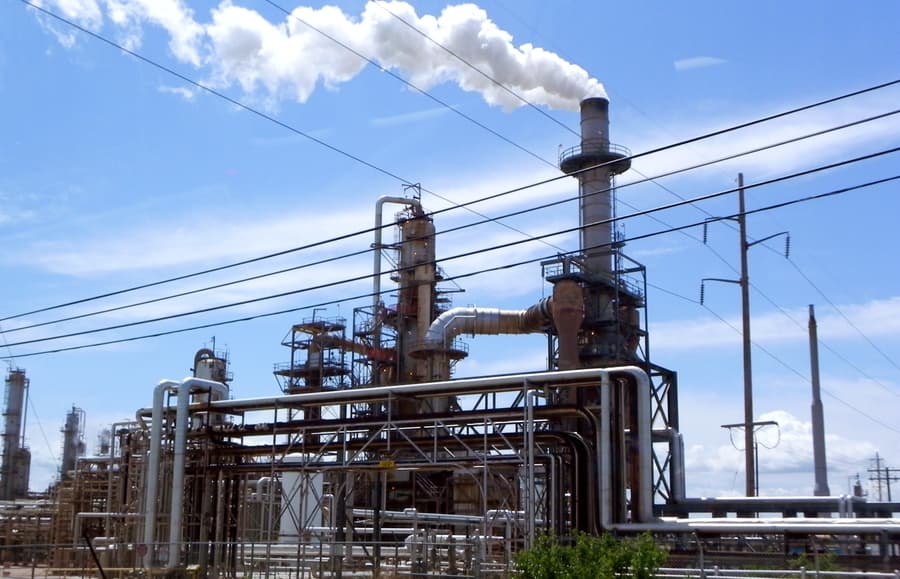
High-pressure flanges are widely used, covering almost all industries that require pipe connections. From oil and gas to chemical, shipbuilding, and even food processing industries, they can be found everywhere. Like a multifaceted gem, they emit different radiances in different industries.
In the oil and gas industry, the use of high-pressure flanges is particularly critical. Since subsea oil and gas pipelines need to withstand extreme pressure and corrosion, the quality of high-pressure flanges directly affects the safety of the entire project. In the chemical industry, the sealing of flanges is even more important, as any leak can lead to serious accidents.
Future Outlook: Development Trends of High-Pressure Flanges
With continuous technological advancements, the design and manufacturing technologies of high-pressure flanges are also evolving. In the future, more intelligent flange systems will emerge, using sensors to monitor flange status in real time, enabling more refined management. This is like smart homes, making our lives more convenient and safer.
At the same time, increasing environmental awareness is driving high-pressure flange materials toward sustainable development. Using recyclable materials and environmentally friendly manufacturing processes will become a future trend. Such changes can not only improve the performance of piping systems but also contribute to environmental protection.
In summary, high-pressure flanges play a vital role in piping systems. By selecting appropriate materials, careful design, strict installation, and maintenance, we can ensure the excellent performance of high-pressure flanges, thereby building a robust piping system. Whether in the industrial field or daily life, understanding the knowledge of high-pressure flanges will help you better tackle various challenges.
Need a quote for the products mentioned in this article?
Submit your specs and our pressure piping team will respond within one business day.
Send RFQRelated reading
 Industry news
Manatee Gas FID in Trinidad and Tobago: A Source-Checked LNG Feedgas Update
Shell's July 2024 FID for the Manatee gas development in Trinidad and Tobago signals continued investment in LNG feedgas. This update outlines what is verified, what remains to be checked, and how EPC buyers can align procurement with evolving project timelines.
 Industry news