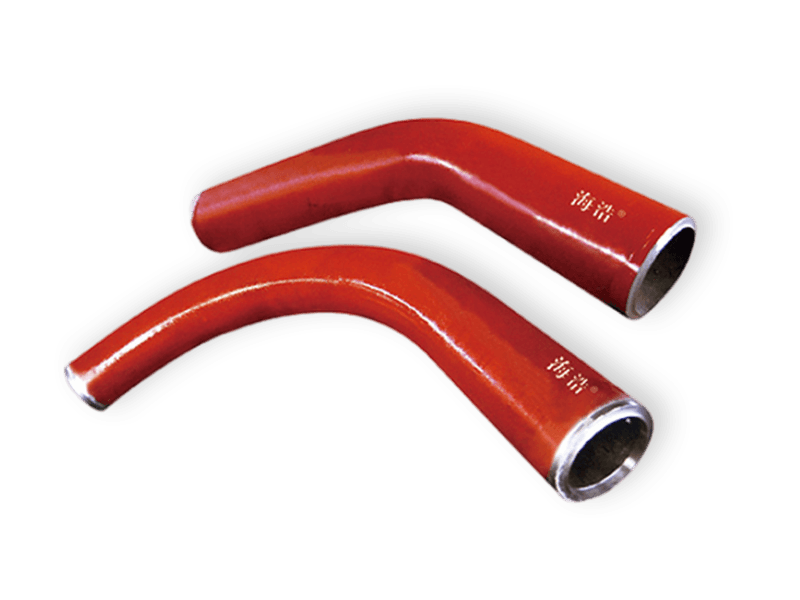
How to Control the Dimensions of Forged Pipe Fittings?
In industrial manufacturing, forged pipe fittings are extremely important components. Whether in machinery, automotive, aerospace, or other fields, forged pipe fittings play an indispensable role. However, many people may ask: how exactly are the dimensions of forged pipe fittings controlled? This not only concerns product quality but also affects the efficiency of the entire production process.
What are Forged Pipe Fittings?
First, let's briefly understand forged pipe fittings. Forged pipe fittings are tubular parts processed through forging techniques, with advantages such as high strength, good wear resistance, and the ability to withstand large pressures and temperatures. These characteristics make forged pipe fittings widely used in many applications. It is conceivable that controlling the dimensions of these fittings not only ensures their performance but is also key to improving production efficiency.
Why is Dimensional Control So Important?
Imagine if your forged pipe fittings have improper dimensions, it could lead to installation difficulties or even serious safety hazards during use. Like a puzzle, if the pieces don't fit properly, the entire picture cannot be perfect. Therefore, controlling the dimensions of forged pipe fittings ensures perfect matching with other components, thereby enhancing the stability and safety of the overall system.
Factors Affecting the Dimensions of Forged Pipe Fittings
In the production process of forged pipe fittings, several key factors affect dimensional control:
- Material Selection: Different materials have varying heat treatment characteristics, which directly affect the dimensional stability of forged pipe fittings.
- Forging Process: Parameters such as forging temperature, pressure, and time all have an impact on the final product dimensions. For example, if the temperature is too high, the material may undergo excessive deformation.
- Tool Wear: Over long production runs, wear on dies and tools can cause dimensional deviations. Therefore, regular inspection and replacement of tools are crucial.
- Cooling Process: The cooling process after forging can also cause dimensional changes. Especially rapid cooling may induce internal stresses, affecting dimensional stability.
How to Control the Dimensions of Forged Pipe Fittings?
So, how can we effectively control the dimensions of forged pipe fittings during production?
- Strict Material Inspection: Before production, ensure materials meet standards by conducting necessary chemical composition and mechanical property tests. Only qualified materials can guarantee the final dimensional stability of forged pipe fittings.
- Optimize Forging Process: Conduct thorough simulation and analysis of the forging process to determine the optimal combination of temperature, pressure, and time. Through continuous experimentation and recording, find the most suitable process parameters.
- Use High-Precision Dies: Select high-precision dies and tools, and maintain or replace them regularly to ensure dimensional accuracy during production.
- Real-time Monitoring and Feedback: During forging, use advanced monitoring equipment to perform real-time dimensional checks. If deviations are detected, adjust the process promptly.
- Post-Processing: After forging, perform necessary post-processing such as heat treatment or machining on fittings that do not meet dimensional requirements to achieve standard dimensions.
Conclusion
In summary, controlling the dimensions of forged pipe fittings is a complex but essential task. By selecting appropriate materials, optimizing the forging process, using high-precision tools, and implementing real-time monitoring, we can effectively control the dimensions of forged pipe fittings, ensuring their performance in various applications. Although the process is meticulous, details determine success. Only by doing well at every step can we ultimately produce high-quality forged pipe fittings that meet market demands.
Need a quote for the products mentioned in this article?
Submit your specs and our pressure piping team will respond within one business day.
Send RFQRelated reading
 Industry news
Manatee Gas FID in Trinidad and Tobago: A Source-Checked LNG Feedgas Update
Shell's July 2024 FID for the Manatee gas development in Trinidad and Tobago signals continued investment in LNG feedgas. This update outlines what is verified, what remains to be checked, and how EPC buyers can align procurement with evolving project timelines.
 Industry news