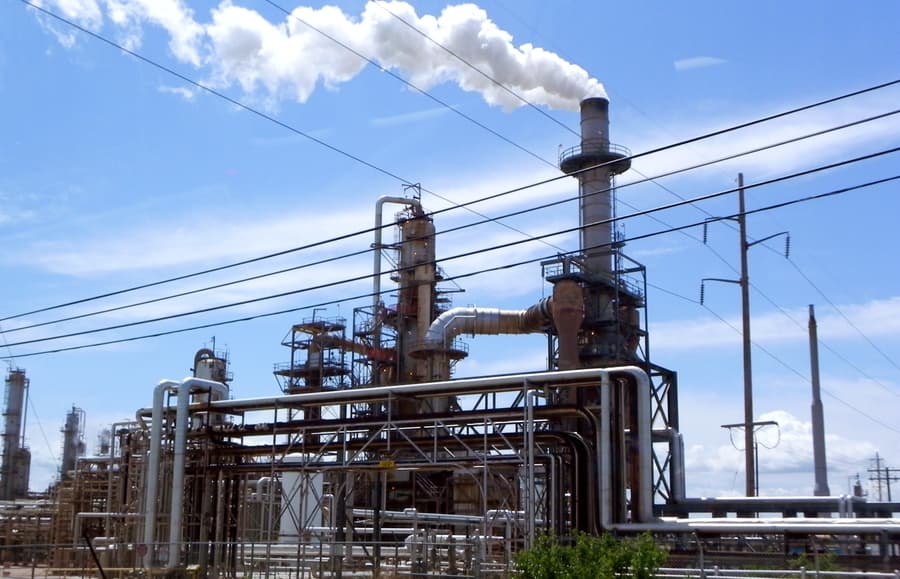
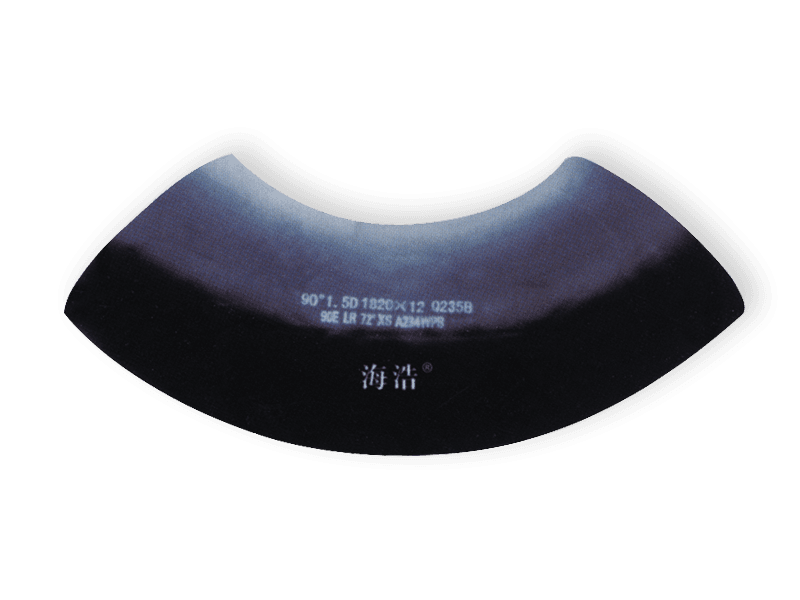
In industrial equipment, forged pipe fittings are widely used as important components connecting different pipelines. Their quality directly affects the operational efficiency of the entire system. So, how to effectively maintain and care for these forged pipe fittings? Let's talk about this topic.
What Are Forged Pipe Fittings?
First, let's briefly understand forged pipe fittings. Forged pipe fittings are metal fittings made by forging process, with good mechanical properties and resistance to high temperature and corrosion. They are generally used in pipeline systems of petroleum, chemical, electric power and other industries. Therefore, ensuring the normal operation of forged pipe fittings is crucial.
The Importance of Regular Inspection
The first step in maintenance is regular inspection. You might wonder, "How can I know if my forged pipe fittings need maintenance?" The answer is simple: regular inspection is very necessary. Through regular inspection, potential problems such as surface cracks, corrosion, or wear can be discovered. If these problems are not dealt with in time, they may lead to more serious consequences.
How to Conduct Inspection?
- Visual inspection: Observe the surface of forged pipe fittings with the naked eye to see if there are any obvious cracks or rust.
- Using tools: Sometimes, the eyes cannot see it. At this time, some tools such as ultrasonic detectors or X-ray inspection equipment can be used. These tools can help you find deeper hidden defects.
- Recording and tracking: After each inspection, remember to record the problems found and track their changes. This is like a doctor doing a physical examination for a patient, helping you better understand the health status of forged pipe fittings.
Cleaning and Maintenance
After inspection, cleaning and maintenance are also very important steps. You might ask, "Is cleaning really that important?" It is indeed very important! Because dirt and dust will accelerate the aging of forged pipe fittings and shorten their service life.
Cleaning Methods
- Clean water and brush: A simple and effective method is to clean forged pipe fittings with clean water and a soft brush. Do not use highly corrosive cleaners.
- Hot water cleaning: For stubborn stains, hot water can be used for cleaning, but be careful not to have too high a temperature to avoid damaging the material.
- Regular application of anti-rust oil: After cleaning, regularly apply anti-rust oil on the surface of forged pipe fittings. This can effectively prevent corrosion and extend service life.
Pay Attention to Environmental Factors
The impact of environmental factors on forged pipe fittings cannot be underestimated. Have you ever thought about how the environment around the fittings affects their condition? For example, a humid environment can easily cause rust, while high temperature can lead to material fatigue.
How to Deal with Environmental Factors?
- Control humidity: In the place where forged pipe fittings are stored, try to control humidity and keep it dry.
- Proper ventilation: Ensure good ventilation in the storage area to avoid corrosion caused by poor air circulation.
- Protective measures: If possible, use protective covers or airtight boxes to further protect forged pipe fittings.
Professional Maintenance
Sometimes, professional maintenance is indispensable. You might think, "Can't I do it myself?" Of course you can, but if the problem is complex, it is recommended to seek professional help. They have richer experience and professional equipment to maintain forged pipe fittings more effectively.
Content of Professional Maintenance
- Inspection and repair: Professionals will inspect and repair forged pipe fittings to ensure no omissions.
- Replacement of parts: If a part is found to be damaged, professionals will replace it in time to ensure the normal operation of the system.
- Performance testing: After completing the maintenance, professionals will also conduct performance tests to ensure everything is normal.
In summary, the maintenance and care of forged pipe fittings is a systematic and meticulous process. Regular inspection, cleaning and maintenance, attention to environmental factors, and seeking professional help when necessary are all effective methods to ensure the normal operation of forged pipe fittings. As long as you do these, I believe your forged pipe fittings will provide you with longer service.
Need a quote for the products mentioned in this article?
Submit your specs and our pressure piping team will respond within one business day.
Send RFQRelated reading
 Industry news
Manatee Gas FID in Trinidad and Tobago: A Source-Checked LNG Feedgas Update
Shell's July 2024 FID for the Manatee gas development in Trinidad and Tobago signals continued investment in LNG feedgas. This update outlines what is verified, what remains to be checked, and how EPC buyers can align procurement with evolving project timelines.
 Industry news