Selecting the correct standard for nonferrous forged fittings is not just a documentation exercise. It determines whether your order will perform safely, pass inspection, and meet project specifications. ASME B16.52 and ASTM B283/B283M are often mentioned together, but they serve different purposes. This guide explains what each standard covers, where they overlap, and what you must verify before purchasing.
ASME B16.52 At a Glance
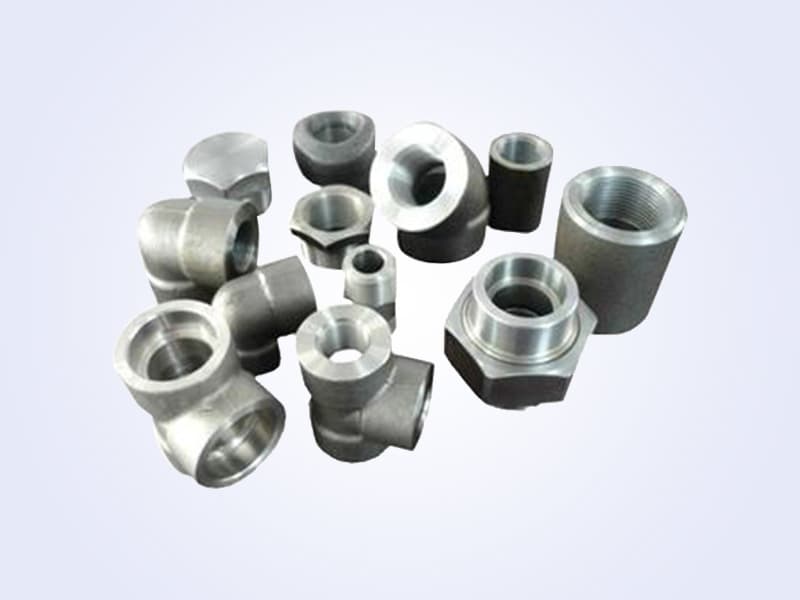
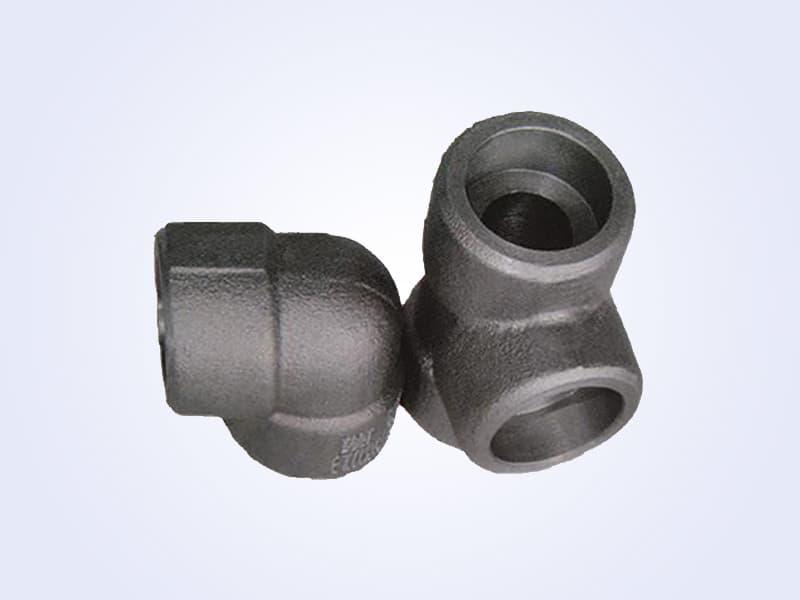
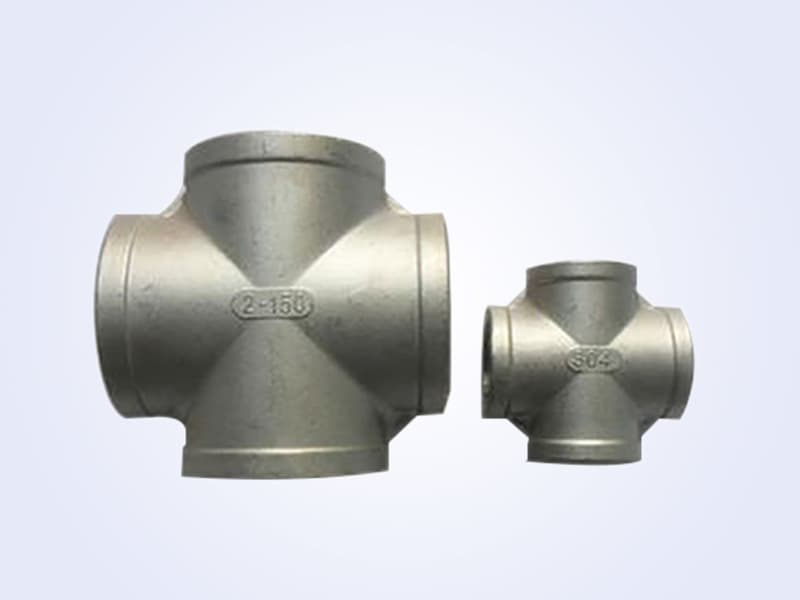
ASME B16.52 covers forged nonferrous socket-welding and threaded fittings. The standard title, as published on the ASME website, specifically lists titanium, titanium alloys, aluminum, and aluminum alloys. It establishes ratings, dimensions, tolerances, marking, and material requirements for these fittings.
The standard also allows for special dimensions, threads, or counterbores when agreed between the manufacturer and purchaser. If such fittings meet all other requirements of the standard, they are considered compliant. This is an important allowance for custom projects, but it only applies when the agreement is documented and both parties understand the limits.
It is also worth noting that ASME B16.52 is on stabilized maintenance. This means the standard is no longer being actively revised. Requests for changes are considered, but you should treat the current edition as a fixed baseline for procurement.
ASTM B283/B283M: The Material Side
ASTM B283/B283M is not a fitting standard. It is a material specification for copper and copper-alloy die forgings produced by the hot pressing method. The current edition is B283/B283M-24.
The standard lists a wide range of UNS alloy designations, including coppers such as C11000, tellurium and sulfur coppers, forging brasses, naval brasses, aluminum bronzes, silicon bronzes, manganese bronze, copper-nickel alloys, and nickel silver. Examples included in the scope are C11000, C14500, C14700, C37700, C46400, C63000, C70620, and C71520, among others.
Materials for manufacture must be rods, billets, or blanks of sufficient purity and soundness to be suitable for hot pressing. Products are tested for chemical composition, tensile and yield strengths, elongation, and dimensional requirements.
Why the Two Standards Are Not Interchangeable
A common mistake is treating a fitting standard and a material specification as alternatives. They answer different questions.
ASME B16.52 tells you the fitting geometry, pressure-temperature ratings, tolerances, and marking requirements. ASTM B283/B283M tells you what the forging material must chemically and mechanically achieve. You need both documents for a complete engineering definition, but each must be checked separately.
Do not assume that ASME B16.52 automatically applies to every nonferrous fitting. The published title specifically lists titanium, titanium alloys, aluminum, and aluminum alloys. It does not list copper alloys. If your project requires copper-alloy forged fittings, you must confirm which fitting standard is applicable. ASTM B283/B283M can define the material, but it is not a fitting design standard.
Similarly, do not assume that a fitting manufactured in accordance with ASME B16.52 is acceptable for your fluid just because the fitting is nonferrous. Alloy selection, temper, joining procedure, and service compatibility require project-specific review. A copper alloy that works in seawater may fail in a different chloride environment or at elevated temperature.
Procurement Checks Before You Order
Before sending an inquiry, verify the following points:
- Fitting end type — Socket-welding or threaded? This determines which part of ASME B16.52 applies.
- Applicable fitting standard — Confirm the exact standard and edition, including its scope. If your material is not listed in the fitting standard, document the alternative standard you will use.
- Material specification — For copper alloy forgings, specify ASTM B283/B283M and the UNS number. For titanium or aluminum fittings, confirm the relevant material specification referenced by ASME B16.52.
- Mechanical property requirements — Define the required tensile and yield strengths and elongation values, and identify the governing specification edition.
- Special dimensions or threads — If you need non-standard features, state them in the RFQ and request written agreement from the manufacturer.
- Marking requirements — Specify that marking must comply with ASME B16.52 and any project-specific requirements.
RFQ Inputs That Prevent Misunderstanding
When you submit an RFQ, include the following details to avoid ambiguity:
- Standard designation and edition: ASME B16.52-2024, ASTM B283/B283M-24, or both.
- Exact alloy UNS number and any required condition.
- Fitting type, size, class or pressure rating, and end preparation.
- Quantity and delivery requirements.
- Documentation needs: material test certificates, dimensional inspection reports, and statements of compliance.
- Any special dimensions, threads, or counterbores that require manufacturer agreement.
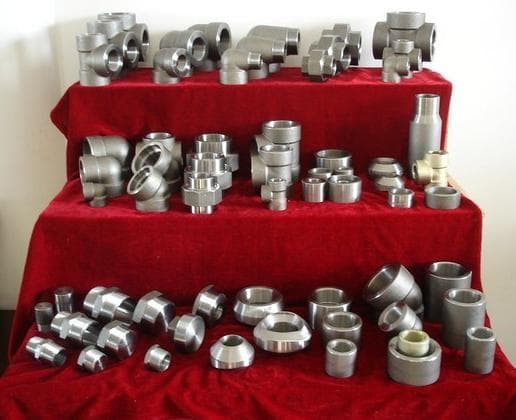
For a full overview of available forged fittings and flanges, see our product range. If you have a project-specific requirement, submit your details through request a quotation and include the items above.
Inspection and Documentation Points
Inspectors should not rely on packing lists alone. For nonferrous forged fittings, verify the following:
- Dimensional compliance — Measure critical dimensions against ASME B16.52 tables and any agreed special dimensions.
- Material certification — Confirm that chemical composition and mechanical test results match ASTM B283/B283M requirements for the specified UNS number.
- Traceability — Check that heat numbers and part marking allow traceability to the material certificate.
- Marking — Ensure each fitting is marked in accordance with the standard, including size, material, and manufacturer identification.
- Visual inspection — Look for surface defects, cracks, excessive flash, or other forging discontinuities.
If the project requires third-party inspection, state this in the RFQ and name the inspection agency or accreditation requirement. Do not assume the manufacturer will provide it automatically.
Common Risks in Nonferrous Fitting Procurement
Several recurring issues appear in projects involving nonferrous forged fittings:
- Assuming one alloy fits every service — Copper alloys, titanium, and aluminum behave very differently under corrosion, temperature, and pressure. Always review service compatibility.
- Misapplying standards — Using ASTM B283/B283M as a fitting standard, or ASME B16.52 as a material substitute, creates gaps in specification.
- Ignoring edition dates — Standards are revised. Verify that your RFQ and inspection requirements reference the exact edition you intend to use.
- Overlooking special dimension agreement — B16.52 permits special features by agreement. Without written agreement, the fittings may not be considered compliant.
- Missing documentation requirements — Incomplete material certificates or missing dimensional reports cause delays and rework.
Sourcing Considerations
When sourcing nonferrous forged fittings, work with a supplier that can clearly distinguish between design standards and material specifications. Ask how they handle standard editions, material traceability, and special dimension approvals.
For more information on the range of fittings and flanges we offer, visit our product range. To discuss your project requirements, use request a quotation and include the procurement checks listed above.
Sources
- https://www.asme.org/codes-standards/find-codes-standards/b16-52-forged-nonferrous-fittings-socket-welding-threaded
- https://store.astm.org/b0283_b0283m-24.html
Need a quote for the products mentioned in this article?
Submit your specs and our pressure piping team will respond within one business day.
Send RFQRelated reading
TechnicalSocket-Weld Fitting Dimensions and Material Checks
Confirm socket-weld fitting dimensions per ASME B16.11 and material to ASTM A105. Learn what to specify, inspect, and include in the RFQ.
Technical