Why this matters
If your project is bound for the Norwegian Continental Shelf or any operator that aligns with NORSOK practice, the words "M-650 qualified" appear all over the material requisition. NORSOK M-650 is a manufacturer qualification standard, not a material standard. It verifies that the mill or forge can repeatably produce duplex stainless steels, high-alloy austenitics, nickel alloys and titanium with the metallurgy demanded by harsh North Sea service.
Scope comparison
| Aspect | NORSOK M-650 |
|---|---|
| Issuing body | Standards Norway, on behalf of the Norwegian petroleum industry |
| Purpose | Qualify a specific manufacturer to produce a specific material grade in specific product forms and dimensions |
| Materials covered | Duplex and super-duplex stainless steel (all grades, all product forms), high-alloy austenitic stainless steel, nickel-base alloys (typically castings), titanium alloys (typically castings) |
| Output | Qualification Test Record (QTR) issued for each manufacturer / grade / product form / size envelope |
| Companion standard | NORSOK M-630 (material data sheets), M-601 (welding) |
Key characteristics
- Manufacturer-specific: A QTR is tied to one manufacturer at one production site for one grade in one form (forging, plate, pipe, fitting, casting). A new factory needs a new qualification.
- Size envelope: QTRs are issued for a defined dimensional range. Anything above the qualified thickness or diameter requires extension.
- Heat treatment: The qualification fixes the heat treatment route. Solution annealing temperature, soak time and quench rate are part of the qualified process.
- Microstructure verification: For duplex grades, ferrite/austenite phase balance, intermetallic phase content and ferrite count are inspected.
- Mechanical and corrosion testing: Includes Charpy at low temperature, tensile testing and ASTM G48 corrosion testing where relevant.
- No expiry, but: The QTR is valid as long as the production process remains unchanged. Significant process changes invalidate it.
When to specify NORSOK M-650
- Norwegian Continental Shelf projects: nearly always required for duplex / super-duplex / 6Mo and nickel-alloy components.
- UK North Sea operators: often invoke M-650 by reference even when NORSOK is not the primary code.
- Subsea hardware, manifolds, jumpers, risers: usually require M-650-qualified materials.
- High-CRA topside piping: large-bore 25Cr duplex piping is a typical use case.
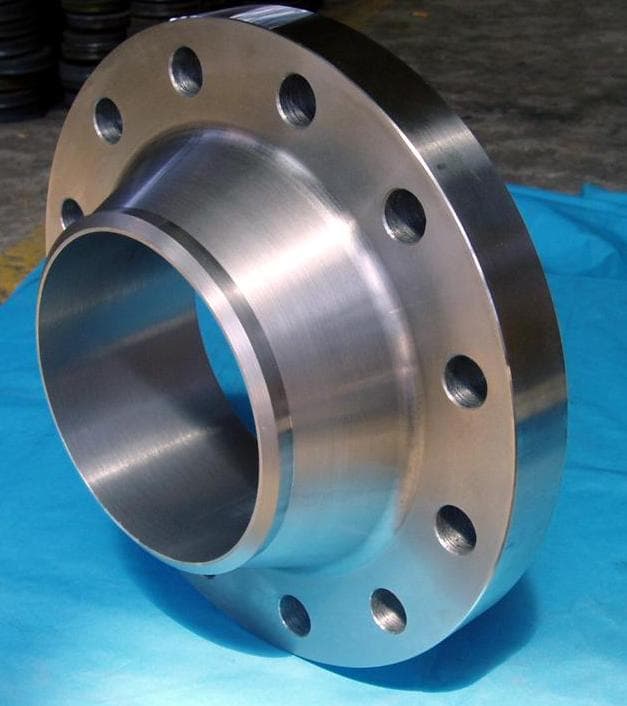
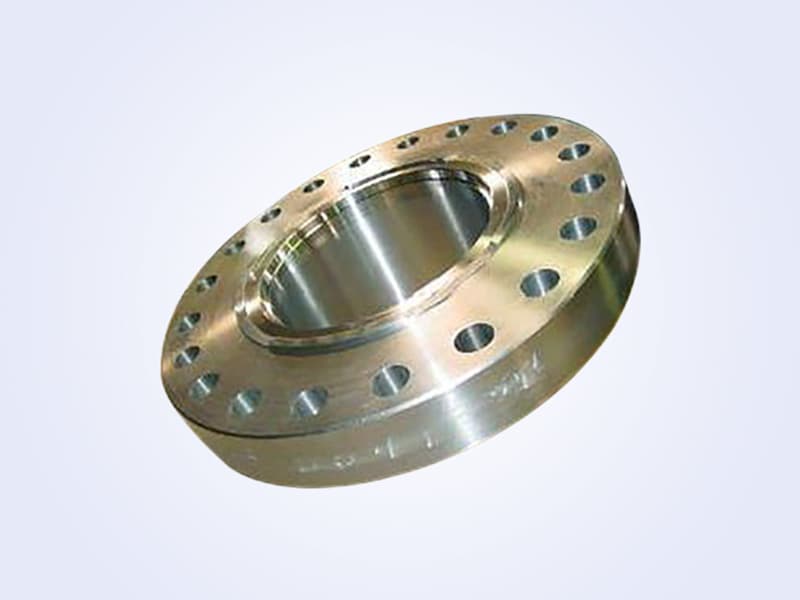
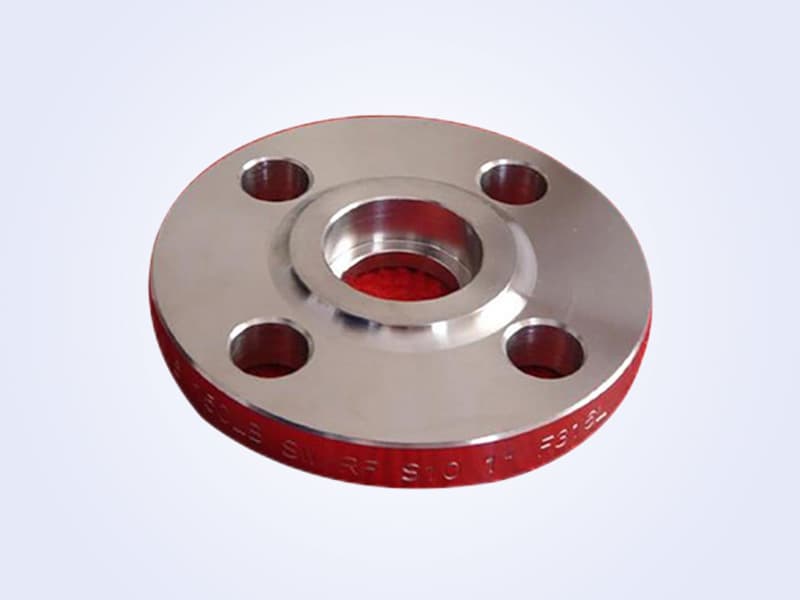
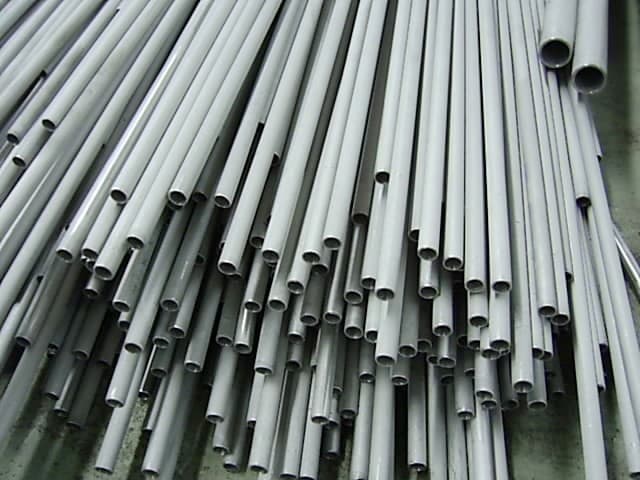
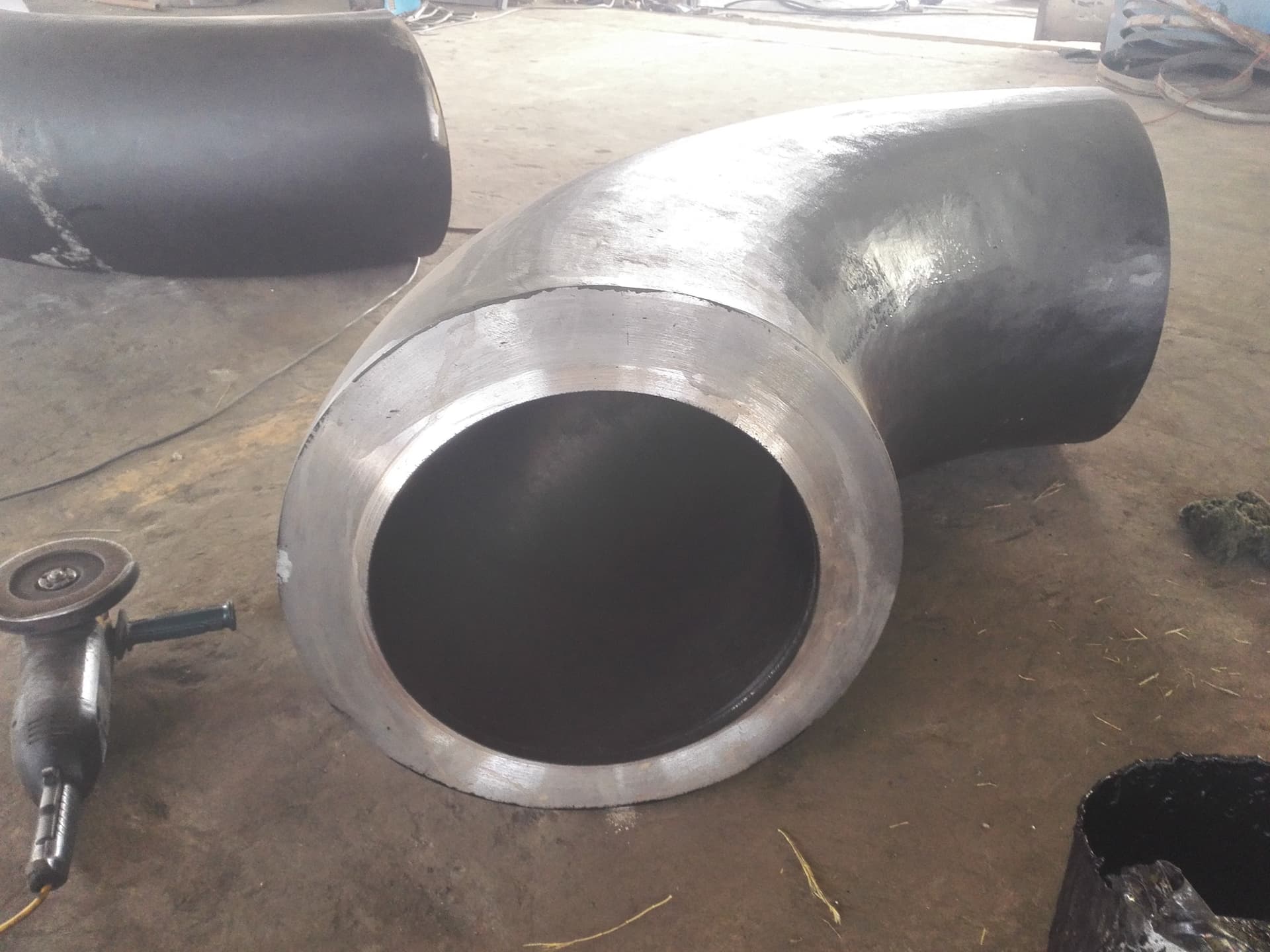
We maintain qualification records in line with NORSOK M-650 for duplex and super-duplex forged flanges and seamless butt-welding pipe fittings; see also matched seamless steel pipes.
Procurement / spec checklist
- State the material grade per NORSOK M-630 data sheet (e.g. MDS D45 for 22Cr duplex forging).
- Require a valid NORSOK M-650 QTR for the specific manufacturer, grade and product form, covering the size envelope of your order.
- Verify the QTR is signed by an independent third-party reviewer accepted by the buyer.
- Require ferrite/austenite phase balance reporting for duplex grades.
- Require ASTM G48 corrosion testing on production tests where applicable.
- Cross-check that welding (if any) is qualified per NORSOK M-601.
- Reference the latest published edition of M-650 in the inquiry.
Need a copy of our QTRs to attach to your bid evaluation? Request through our inquiry page; see our certificates page.
Sources
- https://standard.no/en/sectors/petroleum/norsok-standards/m-material/m-6052011/
- https://www.handytube.com/technical-resources/blog/norsok-m-650-defined/
- https://stainless-steel-world.net/norsok-m650-qualification-of-manufacturers/
- https://www.parker.com/us/en/divisions/instrumentation-products-division/resources/white-papers/ensuring-offshore-reliability-with-NORSOK-compliant-materials.html
Need a quote for the products mentioned in this article?
Submit your specs and our pressure piping team will respond within one business day.
Send RFQRelated reading
StandardsASME II Part D Allowable Stress Lookup Explained for Buyers
ASME Section II Part D allowable stress lookup explained for procurement engineers: tables 1A, 1B, 3, derivation rules, and how to use them on a data sheet.
Standards