Introduction
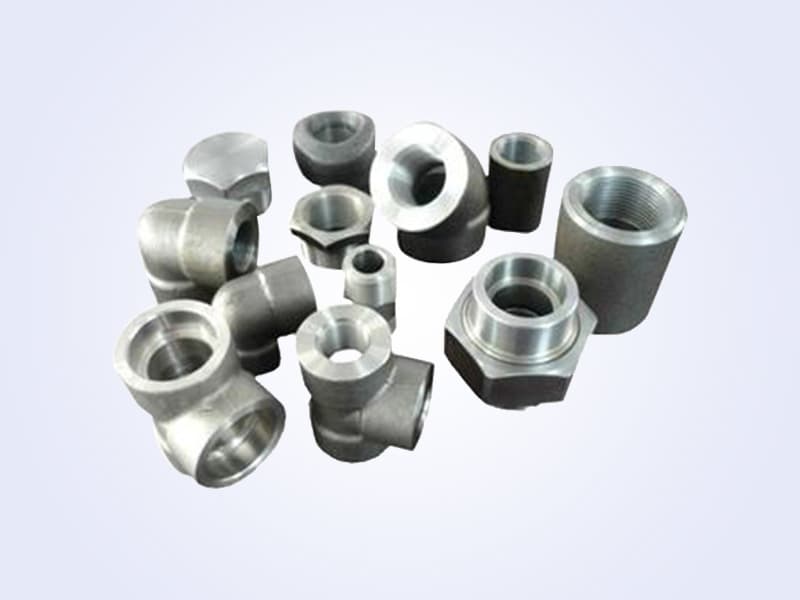
Socket-weld and threaded forged fittings are widely used in pressure piping systems. When sourcing these components, two standards appear frequently: ASME B16.11 for dimensions and ratings, and ASTM A105 for carbon steel material. They serve different purposes, and a correct purchase specification must identify both. This guide explains what each document covers, why you must not rely on one alone, and what to check during RFQ and inspection.
ASME B16.11: The Dimensional and Rating Standard
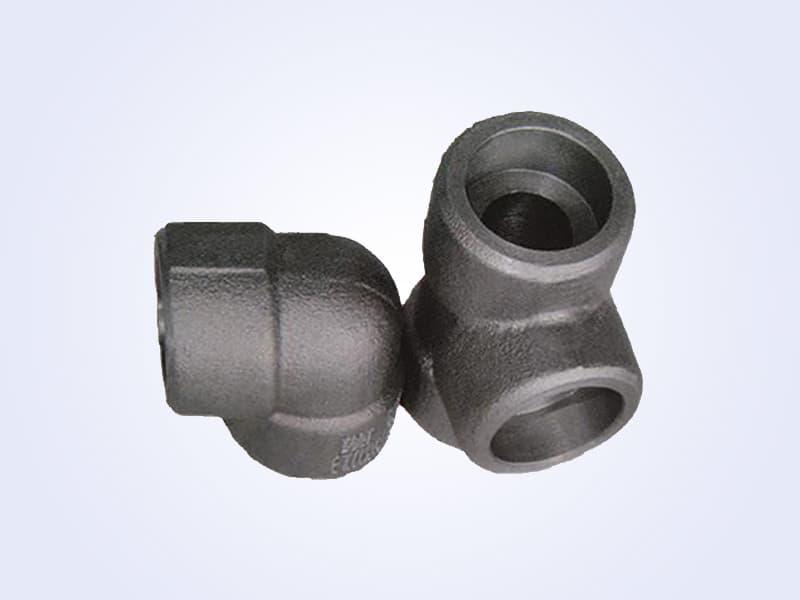
ASME B16.11, "Forged Fittings, Socket-Welding and Threaded," is the go-to dimensional standard for these fittings. It covers ratings, dimensions, tolerances, marking, and material-related requirements. Fittings are designated as Class 2000, 3000, and 6000 for threaded ends, and Class 3000, 6000, and 9000 for socket-weld ends. The standard is intended to be used in conjunction with other ASME B16 series standards, the ASME Boiler and Pressure Vessel Code, and the ASME B31 Piping Codes.
This means B16.11 gives you the physical envelope — socket bore dimensions, face-to-face dimensions, wall thickness, tolerances — but it does not select the material grade. It also does not define the service conditions or the design basis. Those come from the piping code and the material specification. When you write an RFQ, B16.11 alone is insufficient.