DISCLAIMER: Hebei Haihao Group does not claim participation in this project. This case study is based solely on public information and is provided for industry reference.
Introduction
Shell's Sparta development, located in the U.S. Gulf of Mexico, is a high-pressure deepwater project that pushes the boundaries of offshore engineering. According to Shell's official story, Sparta represents a significant step in unlocking energy resources that were once considered out of reach. For procurement professionals in the piping industry, such projects highlight the critical importance of understanding extreme service conditions, material selection, and rigorous quality assurance. This article serves as a reference for EPC engineers, procurement managers, and inspectors, focusing on the procurement risks and verification steps relevant to high-pressure deepwater applications. It is not a project profile but a guide to what buyers must consider when sourcing components for similar demanding environments.
Understanding the Sparta Context
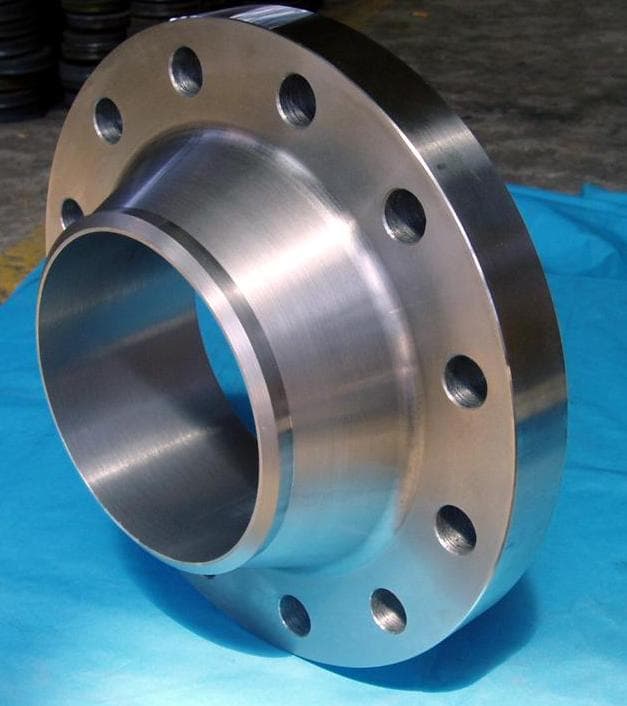
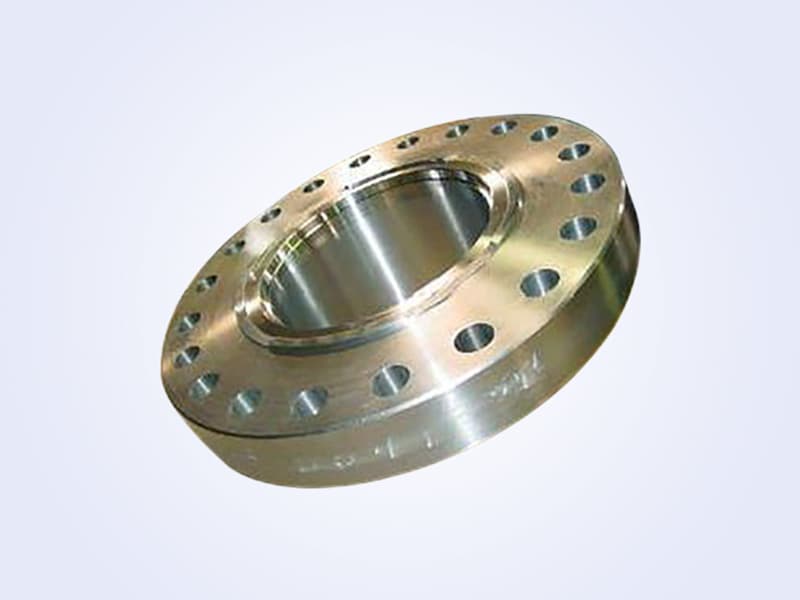
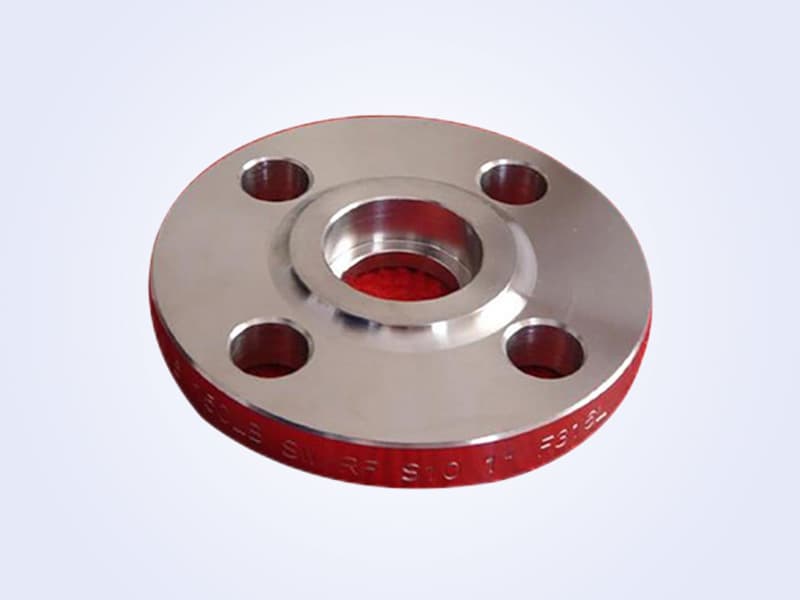
Shell's deepwater overview describes the company's approach to offshore development, emphasizing the technical challenges and innovations required. Sparta, as a high-pressure development, likely involves reservoirs with pressures that exceed conventional equipment ratings. While specific pressure and production figures are not included here—buyers must verify the latest official updates—the project's nature underscores the need for components that can withstand extreme pressures, temperatures, and corrosive environments. For piping systems, this means flanges, fittings, and prefabricated assemblies must meet stringent standards and undergo thorough inspection.