Why this matters
Unit price is the smallest part of what a buyer pays for an offshore pipe fitting. Inspection, testing, packing, logistics, financing, duty, demurrage, rework, and downtime all sit on the bill — and none of them appear on the proforma invoice. Total Cost of Ownership (TCO) modelling forces all those numbers into one frame so the buyer can compare a low FOB quote to a higher DAP quote on equal terms. This guide structures a TCO for offshore pipe fittings sourcing that fits oil & gas, petrochemical, and EPC procurement.
A defensible Total Cost of Ownership (TCO) model is the difference between the cheapest quote and the cheapest delivered project.
Field-by-field TCO structure
1. Unit price (FOB). The mill quote, ex-works or FOB China. Foundation but rarely ≥ 60% of TCO for offshore-grade material.
2. Testing and certification adders. EN 10204 3.2 vs 3.1: typically a 1–3% adder for the TPI visit, OES PMI per piece, hardness traverses, hydro witness. For sour service add Charpy and Vickers surveys.
3. NDE. 100% UT vs sample, RT for thick walls, MT/PT on bevels. Cost depends on scope; budget 2–6% of unit cost for full coverage.
4. Packing. ISPM-15 heat-treated crates, bevel protectors, VCI bags, container lashing. Typically USD 200–800 per pallet plus the dunnage.
5. Inland transit (China side). Truck from mill to port; often included in FOB but check.
6. Ocean freight + insurance. Spot rates vary; for offshore-spec cargo with ICC (A) all-risks insurance budget the freight + 0.3–0.6% of CIF for insurance.
7. Destination port + customs. THC, ISPS, document fees, plus tariff. Tariff lines for steel pipe fittings vary by country and by trade remedy (anti-dumping). Always check the current HTS and any countervailing duty.
8. Inland transit (destination side). Port to project lay-down yard. Heavy-lift surcharges for outsize pieces.
9. Demurrage / detention risk. If documents are late or customs holds the cargo, demurrage can run USD 100–250 per container per day.
10. Financing cost. L/C opening fee (~0.125–0.25% per quarter), confirmation, negotiation. Cash-against-documents avoids these but transfers risk to the buyer.
11. Inventory and storage cost. Holding cost while material waits at site.
12. Rework and rejection cost. Probability × cost. A 5% rejection rate that goes back to China for re-inspection can wipe out a 20% unit-price saving.
13. Field installation impact. Bevel rework hours, mismatched ends, fit-up adjustments — all hidden in the welder's timesheet, not the procurement file.
14. Downtime / late-delivery liability. For offshore campaigns, a delayed elbow can hold a vessel at USD 100k+/day. Some buyers price this as a Liquidated Damages exposure linked back to the supplier.
Common buyer mistakes
- Optimising on FOB price and ignoring the freight rate cycle, then losing the saving on a peak-season ocean rate.
- Choosing a cheaper mill with no TPI track record, then paying for a re-inspection.
- Ignoring the trade-remedy duty (e.g., AD/CVD on Chinese steel into USA) until the customs broker calls.
- Not setting a delivery LD clause; without it, late-delivery cost is purely buyer's.
- Underestimating the cost of MTC discrepancies — a wrong heat number can stall a whole batch at site QC.
Buyer checklist for the TCO model
- [ ] Unit price + each adder line itemised
- [ ] Trade-remedy duty checked against current ruling
- [ ] Insurance clause matches risk (ICC A vs C)
- [ ] Demurrage allowance budgeted (e.g., 3 days)
- [ ] L/C banking cost included if applicable
- [ ] Probability × cost of rejection modelled
- [ ] LD or delay penalty discussed with supplier
- [ ] Decision matrix compares total landed cost, not FOB
Sample TCO line items (illustrative)
For 100 pcs 6" SCH 80 A234 WPB elbows:
- FOB China unit price (60–70% of TCO)
- TPI / 3.2 MTC adder (1–3%)
- 100% UT + PMI (2–6%)
- ISPM-15 packing (1–2%)
- Ocean freight + insurance to US Gulf (highly market-dependent)
- US tariff + AD/CVD where applicable (verify HTS line at filing)
- Inland trucking to project (varies)
- L/C banking (0.5–1.5% of L/C value, all-in)
- Risk reserve for rejection (1–3%)
Use the model to compare two suppliers on a final landed-and-accepted cost basis, not on FOB.
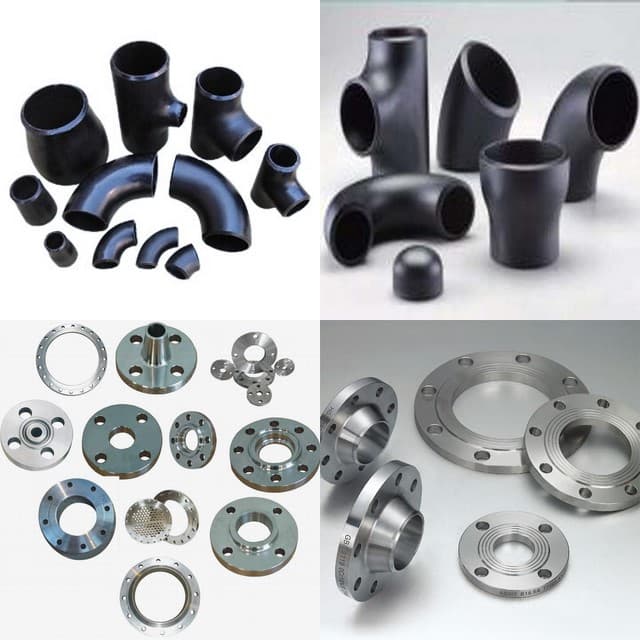
For offshore-grade seamless butt-welding pipe fittings, forged flanges and non-standard forgings, and matching documentation, send the project bill of materials via our inquiry desk; we will return a TCO-style quote breakdown. Past project documentation samples are available on the certificates page.
Sources
- ICC Incoterms 2020 (cost-allocation rulebook): https://iccwbo.org/business-solutions/incoterms-rules/incoterms-2020/
- US DOC Trade.gov Incoterms summary: https://www.trade.gov/know-your-incoterms
- USDA APHIS ISPM-15 country list: https://www.aphis.usda.gov/plant-exports/wood-packaging-material/countries-requiring-ispm15
- Project Materials MTC guide: https://blog.projectmaterials.com/epc-projects/testing-inspection/mill-test-certificates-3-1-2/
- Trade Finance Global UCP 600 guide: https://www.tradefinanceglobal.com/letters-of-credit/ucp-600/
Need a quote for the products mentioned in this article?
Submit your specs and our pressure piping team will respond within one business day.
Send RFQRelated reading
 Buyer guide
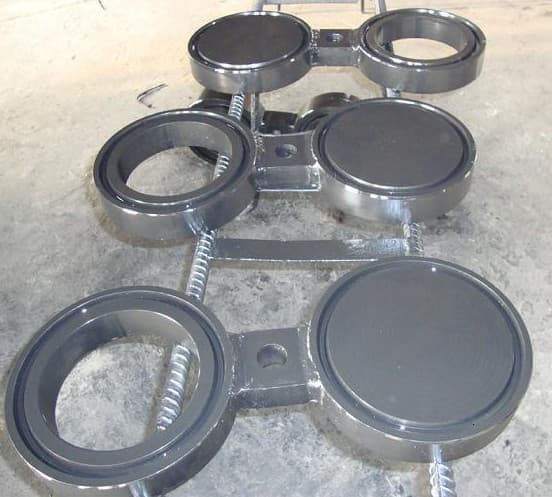
Orifice Flange RFQ Checklist: Class, Type, Taps and Documents
Specifying orifice flanges requires more than a standard flange RFQ. This checklist covers ASME B16.36 scope, class/type limits, tap details, and documentation gaps to verify before ordering.
 Buyer guide