Whiptail FID: What EPC Buyers Should Know
In April 2024, ExxonMobil announced that it had made a final investment decision (FID) for the Whiptail development offshore Guyana, after receiving the required government and regulatory approvals. Whiptail is the sixth project on the Stabroek block, adding approximately 250,000 barrels of daily capacity by the end of 2027, with an investment of $12.7 billion. The project will include up to 10 drill centers and 48 production and injection wells.
For EPC contractors, procurement managers, and piping suppliers, this approval is a clear signal of continued activity in one of the world's most active offshore basins. While the operator's estimates are from April 2024 and should be re-verified for current status, the scale of the project suggests substantial demand for subsea, topside, and FPSO piping systems.
Project Scale and Supply Chain Implications
Whiptail's capacity of 250,000 bpd will bring Stabroek's total production capacity to approximately 1.3 million bpd when combined with the existing Liza Destiny, Liza Unity, and Prosperity FPSOs, and the upcoming Yellowtail (2025) and Uaru (2026) developments. The FPSO for Whiptail, named Jaguar, is under construction.
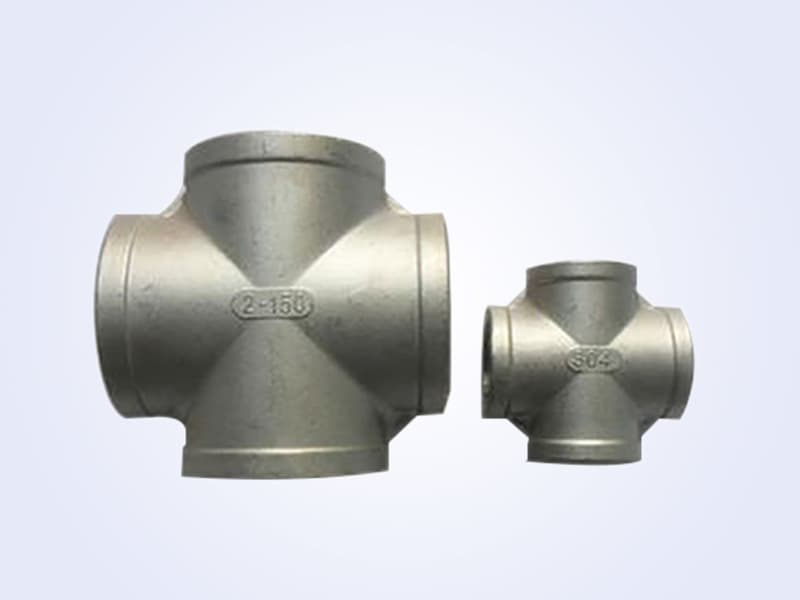
For piping and fittings suppliers, this means a sustained need for high-integrity components that meet offshore standards such as API, ASME, and NACE. The deepwater environment (water depths around 1,700-2,000 meters) requires materials with excellent corrosion resistance and mechanical properties. Typical piping materials for such projects include duplex stainless steels, super duplex, and corrosion-resistant alloys for subsea and topside applications.