DISCLAIMER: This is an industry reference article based on publicly available reporting. Hebei Haihao makes no claim of supply, EPC participation, or commercial relationship with any company or contractor named in this article. All information is sourced from public news, corporate releases, and industry publications.
1. Project Background
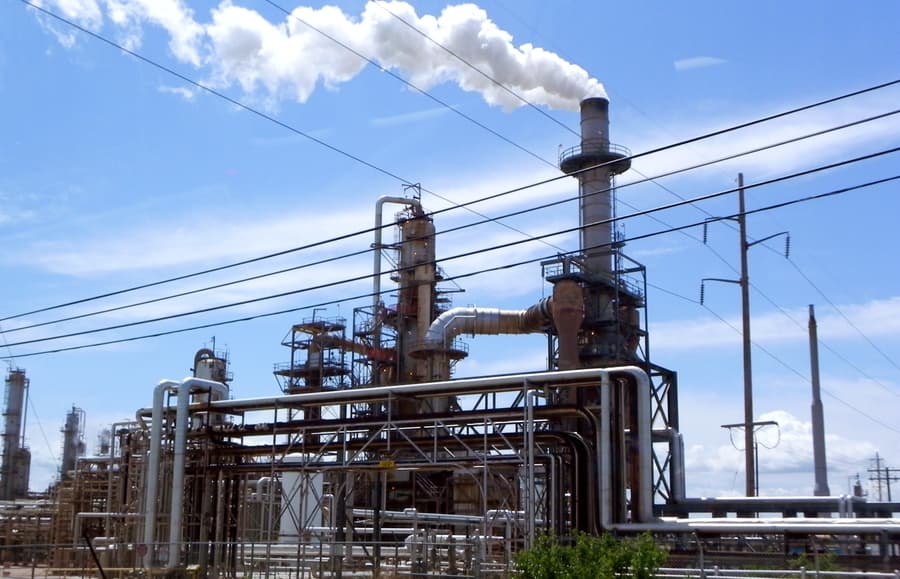
The Al-Zour LNG import terminal in Kuwait is the largest LNG import facility in the Middle East and one of the largest in the world. The project is owned by Kuwait Petroleum Corporation (KPC) and was developed by its subsidiary Kuwait Integrated Petroleum Industries Company (KIPIC). The terminal is integrated into Kuwait's broader Al-Zour energy hub, which also hosts the new Al-Zour refinery.
According to public reporting, the import terminal was completed in November 2021 and its first phase reached full operations in February 2022, comprising four 225,000 cbm storage tanks and approximately 11 mtpa of regasification capacity. The second phase, completed in 2022, added four more storage tanks of the same size, bringing the total terminal capacity to 22 mtpa. The terminal received its 300th LNG cargo in November 2024.
For international procurement engineers, the Kuwait Al-Zour LNG import terminal is a recent, well-documented reference for large-scale LNG import infrastructure procurement and ongoing operational maintenance demand in the Middle East.
2. Scale by the Numbers
| Parameter | Value | Source year |
|---|---|---|
| Total LNG regasification capacity | ~22 mtpa | 2022 |
| Total storage tanks | 8 | 2022 |
| Storage tank capacity (each) | 225,000 cbm | 2022 |
| Total storage capacity | ~1.80 million cbm | 2022 |
| Jetty heads | 2 (independent, simultaneous unloading) | 2022 |
| First phase operations | February 2022 (~11 mtpa) | 2022 |
| Second phase completion | 2022 (full 22 mtpa) | 2022 |
| 300th cargo received | November 2024 | 2024 |
3. Contractor Map
The Al-Zour LNG import terminal was completed by a South Korean consortium that delivered the project to KIPIC. According to LNG Prime, a South Korean consortium completed Kuwait's Al-Zour LNG import terminal. The terminal is owned by Kuwait Petroleum Corporation through KIPIC.
The project's storage tank scope, jetty scope and regasification scope were structured as discrete EPC packages, with materials procurement governed by KIPIC's overlay specifications and KPC group standards.
4. Typical Materials & Standards Profile
A large-scale LNG import terminal of the Al-Zour class typically requires a piping material spec that includes:
- Cryogenic piping in austenitic stainless (A312 TP304L/TP316L) and 9% nickel steel (A333 Gr 8) for LNG transfer lines from jetty to tanks and from tanks to regasification.
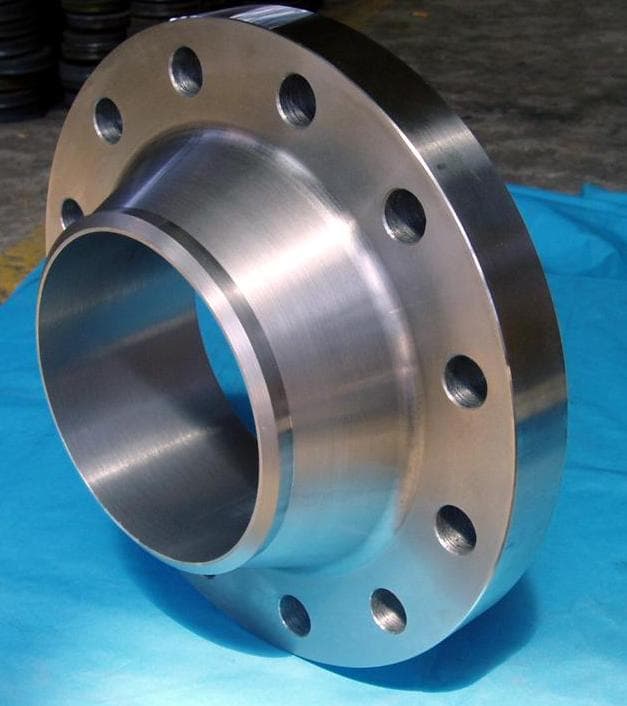
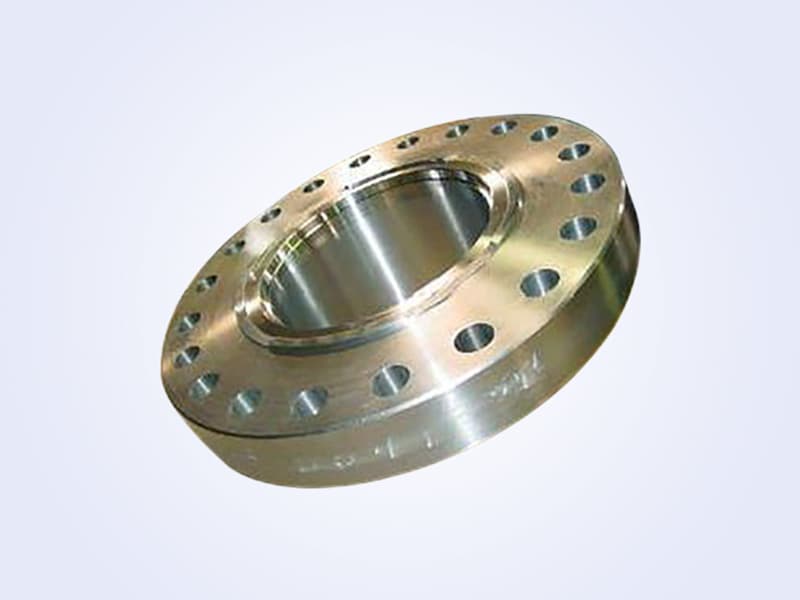
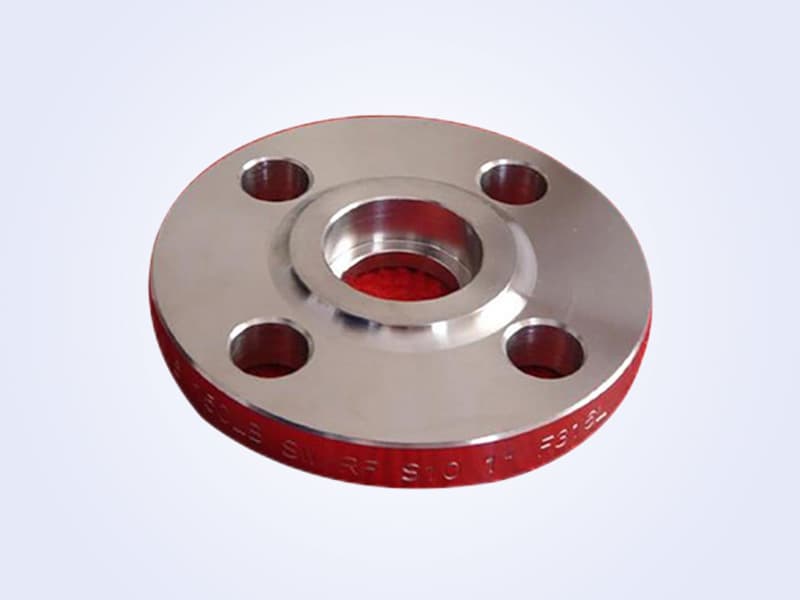
- ASME B16.5 / B16.47 forged flanges in A105N, A350 LF2, A350 LF3 and A182 stainless grades depending on service temperature.
- ASME B16.9 butt-welding fittings in matching grades.
- ASME B16.49 induction bends for the high-pressure send-out gas pipelines tying the regasification trains into the Kuwait gas grid.
- Compliance with ASME B31.3, NFPA 59A and applicable Kuwait national fire and safety codes.
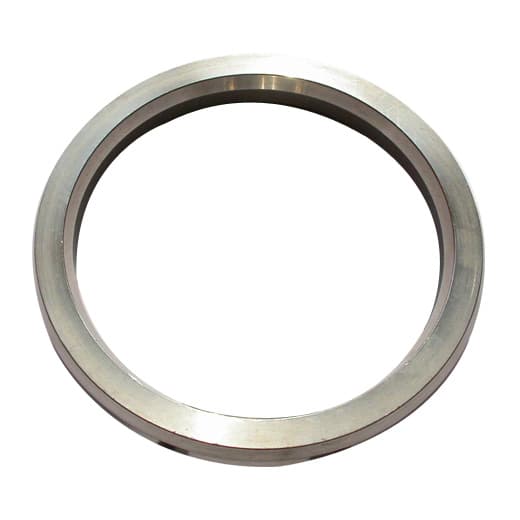
For benchmarking, reference product families are listed under seamless butt-welding pipe fittings, forged flanges and non-standard forgings and hot induction pipe bends.
5. Procurement Lessons for International Buyers
First, large-scale LNG import terminals like the Kuwait Al-Zour LNG import terminal generate a long tail of operational and turnaround procurement after commissioning, including matched flanges, fittings and bends for unit overhauls, jetty modifications and send-out pipeline tie-ins. Second, KIPIC and KPC group AVL qualification is the practical entry filter; suppliers should plan a multi-quarter qualification cycle. Third, South Korean EPC contractors that built the terminal often retain incumbent positions on warranty work and small EPCm contracts, which means suppliers may need to engage on dual tracks (KIPIC direct and prior EPC contractor).
Procurement teams scoping similar Middle East LNG import terminal packages can engage via the inquiry portal.
6. Reference Takeaway
The Kuwait Al-Zour LNG import terminal is the largest LNG import terminal in the Middle East and one of the largest in the world. With 22 mtpa of regasification capacity, eight 225,000 cbm storage tanks and a sustained operational track record since 2022, the Kuwait Al-Zour LNG import terminal case is a useful reference for international procurement engineers tracking ongoing maintenance and any future incremental procurement waves at major LNG import infrastructure in the Gulf.
Sources
- https://www.gem.wiki/Al_Zour_LNG_Terminal
- https://www.offshore-energy.biz/kipic-receives-first-lng-cargo-at-al-zour-terminal/
- https://lngprime.com/middle-east/kuwaits-al-zour-terminal-gets-milestone-lng-cargo/133358/
- https://lngprime.com/lng-terminals/south-korean-consortium-completes-kuwaits-al-zour-lng-import-terminal/34113/
- https://kipic.com.kw/lngi-project/
Hebei Haihao does not claim involvement in this project.
Need a quote for the products mentioned in this article?
Submit your specs and our pressure piping team will respond within one business day.
Send RFQRelated reading
Case studiesIraq Basra Refinery BORC Upgrade FCC Procurement Reference
Iraq's Basra refinery upgrade adds an FCC unit, vacuum distillation and diesel desulfurization at the South Refineries Company complex, JGC EPC.
Case studies