DISCLAIMER: This is an industry reference article based on publicly available reporting. Hebei Haihao makes no claim of supply, EPC participation, or commercial relationship with any company or contractor named in this article. All information is sourced from public news, corporate releases, and industry publications.
1. Project Background
The Saudi Aramco Master Gas System (MGS) is the kingdom-wide backbone that moves gas from upstream fields to power, water and downstream petrochemical complexes. Phase 3 (MGS-3) is the largest single buildout in the network's history. It integrates new volumes from Jafurah unconventional gas, Hawiyah and other expansion fields into the east-west backbone, supporting Aramco's target to grow sales gas production by more than 60% by 2030 versus 2021 levels.
MGS Phase 3 was sanctioned through a wave of EPC awards in 2024. Per Aramco's release, the strategic gas expansion umbrella covers around USD 25 billion of awards across MGS-3 and Jafurah Phase 2. Construction started Q2 2024, mechanical completion targeted around 2028.
For international procurement engineers, the MGS Phase 3 buildout is one of the largest single-buyer pipeline programs in execution and cascades into multi-year demand for line pipe, fittings, flanges and bends.
2. Scale by the Numbers
| Parameter | Value | Source year |
|---|---|---|
| Pipeline length added | ~4,000 km (some reports cite 4,153 km of east-west corridor pipe) | 2024 |
| New compression trains | 17 | 2024 |
| Incremental gas capacity | ~3.15 bscfd | 2024 |
| Total MGS network capacity post-expansion | ~15.7 bscfd | 2024 |
| EPC LSTK packages awarded | 15 | 2024 |
| Combined value of strategic gas awards | ~USD 25 billion | 2024 |
| Construction start | Q2 2024 | 2024 |
| Targeted mechanical completion | Q4 2028 | 2024 |
3. Contractor Map
Publicly reported EPC LSTK awards for the Master Gas System Phase 3 expansion include India's Larsen & Toubro and Kalpataru Projects International (the latter a ~USD 900 million pipeline package per trade press), plus other regional and international contractors across pipeline, compression and tie-in scopes. The program is split into 17 EPC work packages covering corridor pipelines and the new compression trains.
Compression supply contracts have been reported in publications including Gas Compression Magazine. EPC contractors run their own approved vendor lists for line pipe, induction bends, fittings and flanges, with Aramco engineering standards (SAES, SAEP) governing material specification.
4. Typical Materials & Standards Profile
Long-distance Saudi gas trunk lines historically use carbon steel line pipe to API 5L PSL2 in grades X60, X65 and X70. Components are typically supplied to ASME B16.9 (butt-welding fittings), ASME B16.5 / B16.47 (flanges) and MSS SP-75. Hot induction bends to ASME B16.49 limit field weld count in cross-country gas corridors. Aramco-specific procurement references SAES-L-105 and SAES-L-150 series for piping materials.
Where any portion of the system handles gas with H2S partial pressure, NACE MR0175 / ISO 15156 plus HIC / SSC testing become mandatory acceptance criteria.
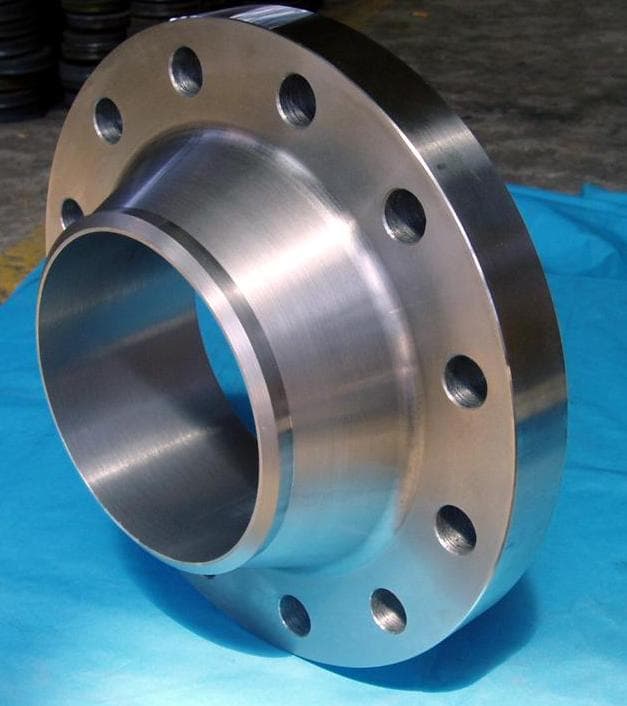
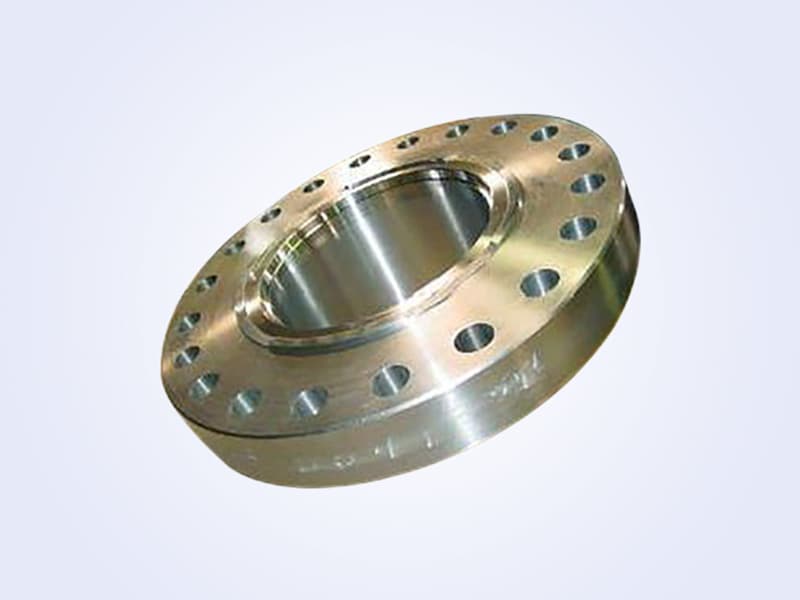
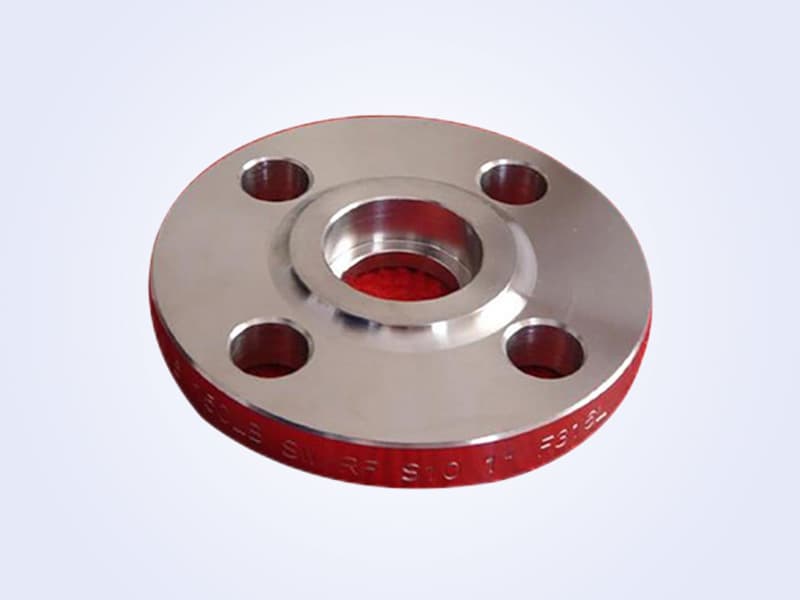
For reference product families, see seamless butt-welding pipe fittings, forged flanges and non-standard forgings and hot induction pipe bends.
5. Procurement Lessons for International Buyers
First, mega-pipeline programs of this scale rarely source line pipe and fittings under a single global frame agreement. Each EPC LSTK contractor runs its own qualification process, so suppliers must engage at the contractor level.
Second, lead time is the binding constraint. With 4,000 km of pipe and 17 compressor stations to build inside about four years, contractors front-load orders for long-lead items. Mills and forge shops with documented Aramco-style heat-tracking discipline win repeat work.
Third, EPC tenders typically demand ISO 9001 plus ASME and PED endorsement, plus willingness to host TPI by SGS, BV, Lloyd's or Intertek at the supplier's cost.
Procurement teams scoping similar programs can request documentation through the inquiry portal.
6. Reference Takeaway
The Saudi Aramco Master Gas System Phase 3 expansion is a useful benchmark for understanding multi-EPC pipeline mega-programs: a single end-user, dozens of LSTK packages, and a multi-year manufacturing demand curve for line pipe, induction bends, butt-weld fittings and flanges. Buyers planning their next sourcing wave for sour or sweet gas trunk lines can study the public scope and contractor split of the Master Gas System Phase 3 program as an indicator of how upstream EPC contractors are likely to bundle their material packages.
Sources
- https://www.aramco.com/en/news-media/news/2024/aramcos-strategic-gas-expansion-progresses-with-25bn-contract-awards
- https://www.worldoil.com/news/2024/3/5/aramco-awards-epc-contracts-for-huge-mgs-3-gas-expansion-project-in-saudi-arabia/
- https://jpt.spe.org/aramco-awards-25-billion-in-contracts-as-jafurah-shale-and-master-gas-system-expansion-enters-next-phase
- https://www.meed.com/aramco-selects-contractors-for-master-gas-system-expansion
- https://www.pipeline-journal.net/news/lt-completes-major-gas-pipeline-section-saudi-aramcos-expansion-project
Hebei Haihao does not claim involvement in this project.
Need a quote for the products mentioned in this article?
Submit your specs and our pressure piping team will respond within one business day.
Send RFQRelated reading
Case studiesKuwait Al-Zour LNG Import Terminal Procurement Reference
KIPIC's Al-Zour LNG terminal in Kuwait reaches 22 mtpa with eight 225,000 cbm tanks. Reference for Middle East LNG import infrastructure sourcing.
Case studies