Introduction
Flanges are a critical component in any piping system, providing leak-proof joints that allow for easy assembly and disassembly. For medium and low pressure applications (typically Class 150, Class 300, or PN6 to PN40), selecting the right flange involves more than just matching piping dimensions. This article outlines the key technical and procurement considerations to ensure you get reliable, code-compliant flanges for your project.
Standards to Confirm
Before sourcing, verify which design and dimensional standards apply. The most common for medium/low pressure flanges are:
- ASME B16.5: For flanges and flanged fittings (NPS 1/2″ to 24″) – covers dimensions, pressure-temperature ratings, materials, and tolerances.
- ASME B16.47: For larger diameters (NPS 26″ to 60″) – Series A and Series B.
- EN 1092-1: European standard for PN-rated flanges (e.g., PN6, PN10, PN16, PN25, PN40).
- JIS B2220: Japanese standard for flanges.
Always specify the standard and class (e.g., ASME B16.5 Class 150) in your RFQ. For non-standard dimensions, confirm that the supplier can produce to your drawing with full traceability.
Key Inspection Documents
To ensure quality and compliance, request these documents from your supplier:
- Material Test Certificates (EN 10204 3.1 or 3.2): Chemical composition and mechanical properties.
- Positive Material Identification (PMI) Report: Verification of alloy content, especially for stainless steel or duplex.
- Dimensional Inspection Report: Major diameters, bolt circle, hub length, facing dimensions, and gasket surface finish.
- Pressure Test Certificate: For flanges with specified leak tests.
- Heat Treatment Report: For flanges requiring normalization, annealing, or stress relief.
- Marking Compliance: Confirm flange marking per standard (e.g., manufacturer, material, class, heat number).
RFQ Checklist: What to Include
Provide the following in your inquiry to get accurate quotes:
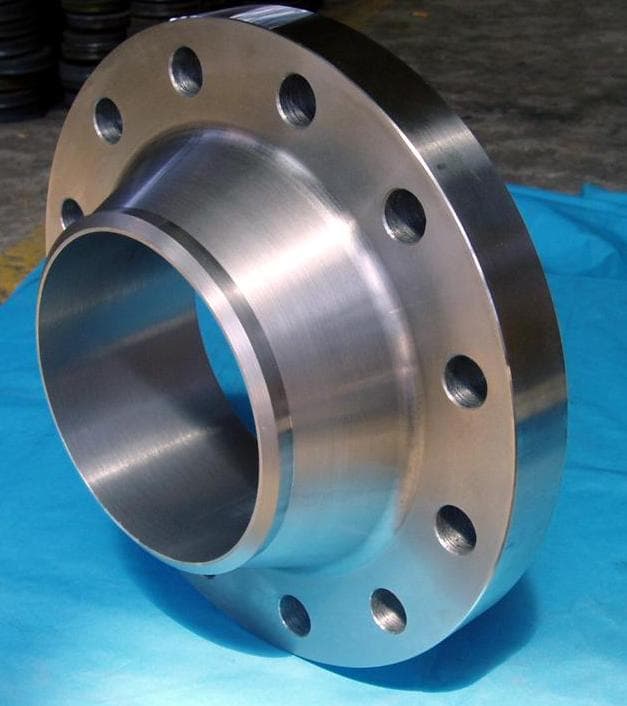
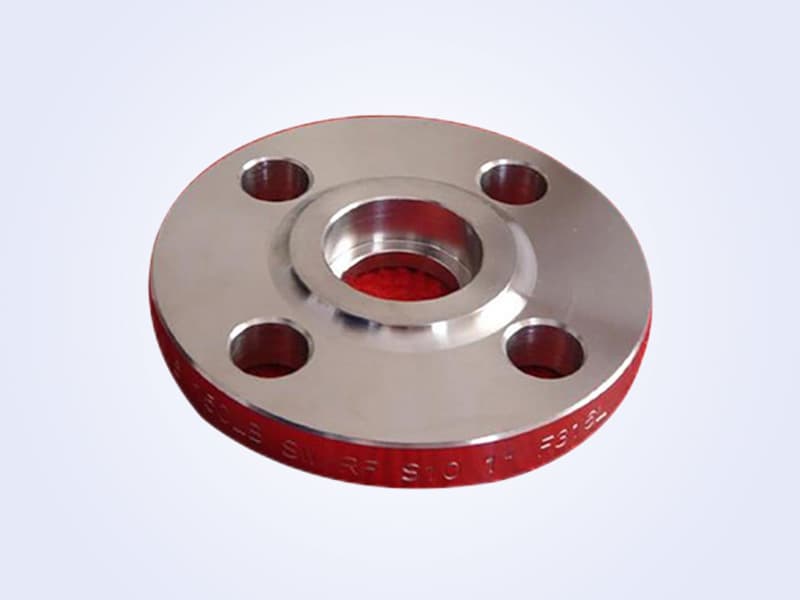
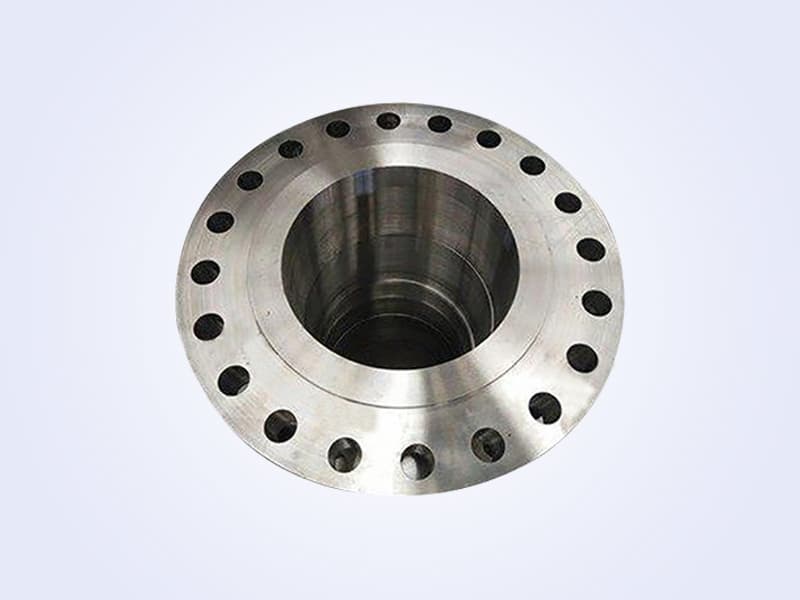
- Flange type: Weld neck, slip-on, blind, socket weld, lap joint, threaded.
- Size: Nominal pipe size (NPS) and schedule (or wall thickness).
- Pressure class: e.g., Class 150, Class 300, PN16.
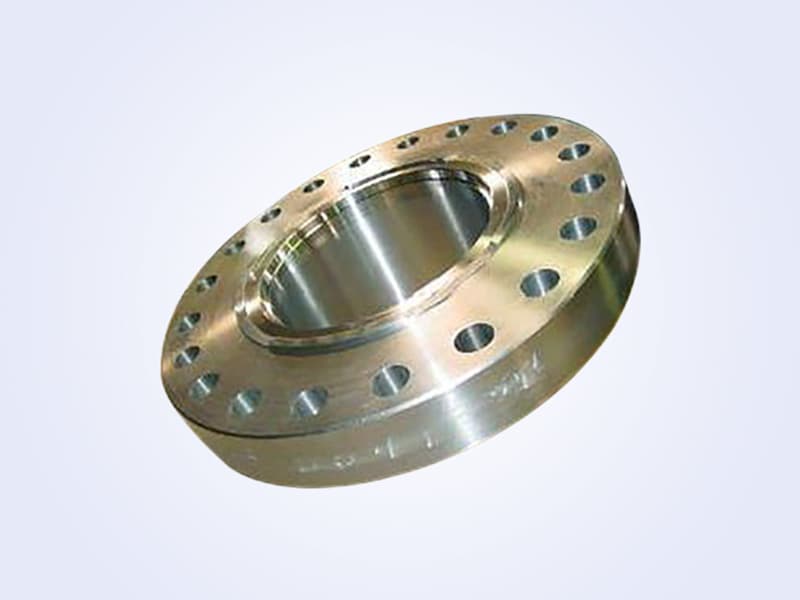
- Face finish: Raised face (RF), flat face (FF), ring-type joint (RTJ), etc. Include surface roughness requirement (typical 125–250 μin Ra for RF).
- Material: Carbon steel (A105, A350 LF2), stainless steel (A182 F304/F316), alloy steel (A182 F11/F22), or duplex (A182 F51). Specify ASTM grade.
- Quantity and packaging requirements.
- Standards and testing requirements (as above).
- Delivery timeline.
Quality Risks to Monitor
Even with well-known standards, buyers face common pitfalls:
- Material substitution: Verify through PMI and third-party inspection.
- Incorrect facing: Ensure the gasket surface finish matches your gasket type.
- Missing heat treatment: Certain materials (e.g., alloy steel) require post-weld heat treatment for weld neck flanges.
- Bolt hole misalignment: Dimensional checks should include bolt circle tolerance.
- Lack of traceability: Insist on heat numbers stamped on each flange and matching certificates.
How Hebei Haihao Group Can Help
Hebei Haihao Group specializes in the production of medium and low pressure flanges, covering standard and custom dimensions in carbon steel, stainless steel, alloy steel, and more. With an experienced engineering team and strict quality control procedures (including material certification, PMI, and dimensional checks), they provide reliable flanges for industries such as chemical, oil & gas, power, and water treatment.
When sending your RFQ, include as many details from the checklist above to ensure a fast and accurate quotation. Haihao can also advise on facing options, bolting, and gasket selection to optimize your joint integrity.
To receive a tailored quotation for your next project, contact Hebei Haihao Group with your specifications.
Need a quote for the products mentioned in this article?
Submit your specs and our pressure piping team will respond within one business day.
Send RFQRelated reading
Buyer guideMetallic vs Nonmetallic Flange Gaskets: ASME RFQ Guide
Compare ASME B16.20 metallic and B16.21 nonmetallic flat gaskets, and clarify what each standard actually covers before you issue an RFQ.
Buyer guide